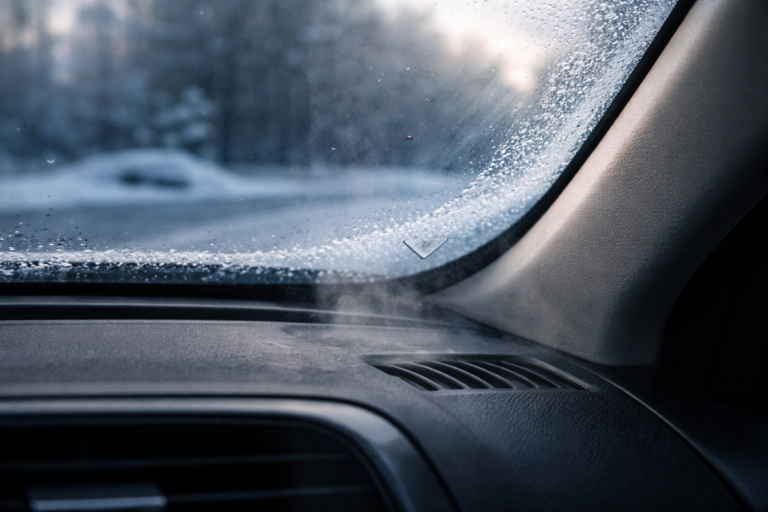
Key Takeaways
- Insights on seasonal shifts impacting vehicle glass integrity
- Climate-related issues affecting automobile glass quality
- Strategies for safeguarding auto glass during winter conditions
- Solutions for fixing or substituting damaged vehicle glass
Understanding Fall to Winter Auto Glass Stress
As the seasons transition from fall to winter, auto glass faces a unique set of challenges known as fall to winter auto glass stress. The significant temperature fluctuations during this period can lead to thermal stress, affecting both the integrity of laminated glass and the overall durability of autoglass. Winter storms introduce additional stressors such as freezing temperatures and ice accumulation, which can exacerbate existing issues. Drivers often rely on windshield wipers to clear snow and ice, but this can contribute to stress fractures if the glass has already been weakened. Understanding these factors is crucial for preventing damage and maintaining the safety of your vehicle throughout the winter season. Recognizing the signs of stress and taking proactive measures can help mitigate the risks associated with winter weather and its impact on auto glass.

The Effects of Temperature Changes on Auto Glass
Temperature fluctuations between fall and winter can significantly contribute to auto glass stress. As temperatures drop, glass contracts, which can exacerbate existing imperfections. The combination of extreme cold and heat from the sun can create a freeze-thaw cycle that leads to cracks in your windshield. When ice or snow accumulates on the glass, using ice scrapers can cause additional stress, especially if a driver applies excessive force. These changes in temperature create an environment ripe for severe weather-related glass issues.
Understanding how temperature changes impact auto glass is crucial for maintaining its integrity. As winter approaches, the increased presence of ice and snow on the roads raises the chances of rocks and debris impacting the glass. This, coupled with the rapid changes in temperature, can lead to more frequent glass damage. Windshields are particularly vulnerable during this time, as UV rays can weaken the structural integrity of the glass, making it less able to withstand the pressures of winter road conditions. Observing these factors can help car owners safeguard against fall to winter auto glass stress.
Common Issues During the Transition Season
As temperatures drop during the fall to winter transition, auto glass experiences significant stress from freeze-thaw cycles. These cycles create pressure on the glass, leading to common auto glass issues such as cracks or chips. Rain can exacerbate these problems, as water seeps into existing damage and freezes, expanding the cracks and worsening the situation. The combination of snow stress on the windshield and icy glass can lead to costly repairs and potential safety hazards if not addressed properly.
Drivers should be aware of potential winter-related auto glass damage and take proactive measures. The shifting temperatures can affect auto glass surfaces throughout the year, particularly during the fall to winter auto glass stress period. Frozen glass can obscure visibility and increase the risk of accidents. Recognizing the signs of stress in auto glass early can mitigate long-term damage and ensure safety on the road during the colder months.
Weather-Induced Auto Glass Problems
The transition from fall to winter can lead to significant challenges for drivers, primarily due to fall to winter auto glass stress. As temperatures fluctuate, windshield glass will expand and contract, leaving it vulnerable to cracks and chips. Frozen windshields can create tension that further exacerbates glass damage, compromising auto glass integrity. Regular auto glass maintenance is crucial during this period to ensure that all glass components are in sound condition. Neglecting to address minor issues can escalate into catastrophic auto glass problems, necessitating costly auto glass repair. Professional auto glass services can assess the situation effectively, offering in-shop solutions tailored to your vehicle’s needs. Understanding how glass underneath reacts to temperature changes can promote better care and extend the auto glass lifecycles, ultimately enhancing your driving experience through the colder months.
How Cold Weather Affects Glass Integrity
Cold temperatures significantly impact the integrity of your vehicle’s glass surfaces. Fall to winter auto glass stress often arises from extreme temperature fluctuations, especially prevalent during winter months. Ice can create an icy-cold windshield that is more susceptible to cracks and chips. Cold weather exacerbates weather-related stress, as the outer glass layers experience higher levels of temperature stress. Rapid heating, such as directing hot air onto a fogged-up cold windshield, causes the glass to expand and contract unevenly, leading to potential damage.
Qualified auto glass services often recommend implementing glass protection treatments to help mitigate the effects of winter weather hazards. The exterior glass of your vehicle, particularly the windshield glass, is vulnerable to common winter hazards. These include ice formation and sudden temperature drops that affect its durability. Ensuring proper maintenance and awareness of the effects of cold can save drivers from costly repairs through Akron auto glass specialists, who are equipped to handle the nuances of winter-related issues.
| Winter Hazard | Effects on Glass | Prevention Methods |
|---|---|---|
| Ice Formation | Increases risk of cracks when removing ice | Use ice scrapers gently and warm water |
| Temperature Fluctuations | Causes glass expansion and contraction | Avoid sudden temperature changes (e.g., hot air on cold glass) |
| Road Salt | Can lead to pitting or erosion of glass surfaces | Regularly wash and treat your windshield |
| Debris and Dirt | Scratches can weaken glass further in cold | Keep glass clean for better visibility and integrity |
Identifying Signs of Stress in Auto Glass
The transition from fall to winter can exacerbate stress on your vehicle’s glass. Winter cracks often occur due to the drastic temperature changes, impacting the glass structure and leading to potential thermal stress damage. Icy windshields may reveal fine lines or chips that signal underlying issues. It’s crucial to inspect for unblemished glass, as even minor imperfections can worsen in the winter cold. Regular inspections can help catch these early signs of fall to winter auto glass stress before they escalate.
Proper glass pliability is vital for maintaining the integrity of your windshield glass. Identifying signs such as spider web patterns or small cracks is essential for timely autoglass repair. Consulting with experts in Chardon auto glass or defender auto glass services can provide insight into whether a repair or an expert glass replacement is necessary. Being vigilant during the winter months can save you from costly repairs and ensure your vehicle remains safe on the road.
Preventing Auto Glass Damage in the Cold Months
As the transition from fall to winter unfolds, vehicles face a unique set of challenges contributing to fall to winter auto glass stress. Temperature fluctuations can lead to stress-related damage, particularly affecting vintage vehicle glass, which may not handle rapid cooling as well as modern options. Colder months bring ice pressure that can accumulate on a frozen windshield, creating significant strain that could lead to cracks. Cold air increases the chances of weather-related damage, especially when winter freezes are coupled with the accumulation of ice. Regular maintenance can mitigate some seasonal hazards, reducing the risk of costly cold-weather repairs and ensuring that drivers are prepared to tackle the conditions ahead.
Regular Maintenance Tips for Your Windshield
Regular maintenance plays a crucial role in combating fall to winter auto glass stress. Changes in temperature can lead to glass expansion and contraction, which might compromise glass integrity over time. A small windshield crack can easily worsen during extreme cold or heavy snow, resulting in potential windshield deterioration. Routine checks can help identify vulnerabilities before winter demands become overwhelming, allowing for timely interventions.
Taking proactive measures can mitigate potential issues caused by temperature-induced damage. Regularly inspecting your windshield for chips and cracks enhances the chances of utilizing reliable autoglass repair services. Ensuring that the wipers are functioning properly can help keep moisture from freezing and causing further complications. Engaging with full autoglass services, such as those provided by Mentor Auto Glass, can guarantee that your vehicle remains resilient against the challenges of cold weather.
Best Practices for Handling Ice and Snow
Icy conditions can place significant stress on your auto glass. During the transition from fall to winter, fluctuating temperatures cause the glass to expand and contract. This can lead to structural stress, resulting in potential windshield issues such as a cracked windshield. Cold winter mornings often bring winter precipitation, making it essential to address any signs of stress on your vehicle’s glass promptly. Ignoring these problems can escalate the risk of further damage as the cold outdoor air exacerbates existing weaknesses in the glass.
Handling ice and snow requires caution to minimize the risk of added stress on your vehicle’s windshield. Avoid using hot water to thaw ice, as the sudden temperature change can worsen cracks. Instead, use a scraper designed for icy conditions and apply de-icing solutions. Taking these precautions can help prevent fall to winter auto glass stress from leading to more serious issues. Regular inspections and timely window repair are crucial during this season to maintain the integrity of your auto glass amid the challenges posed by cold weather.
- Regularly inspect your windshield for any existing cracks or chips.
- Use a quality ice scraper to remove ice gently without scratching the glass.
- Apply a de-icing solution or windshield washer fluid specifically designed for low temperatures.
- Always clear snow and ice off your vehicle before driving to improve visibility.
- Avoid using tools that could damage the glass, such as metal shovels or rigid plastic scrapers.
- Park your vehicle in a garage or covered area to reduce ice buildup overnight.
- Schedule professional inspections and repairs for your auto glass as needed.
Repairing and Replacing Auto Glass
As temperatures drop and winter approaches, fall to winter auto glass stress becomes a significant concern for vehicle owners. The combination of cold temperatures and increased moisture exposure can lead to windshield damage, making it crucial to be aware of potential issues. Snow accumulation and ice accumulation create stress concentrators on the glass, which can exacerbate existing windshield scratches and lead to further damage. Dry winters can also contribute to problems as the more extreme conditions affect the integrity of the glass. Addressing these seasonal considerations proactively ensures your vehicle remains safe during winter driving conditions, protecting your windshield until the warmer months return. Understanding when to repair versus when to replace damaged glass is essential for maintaining a protective windshield throughout this challenging transition.

When to Repair vs. When to Replace
Assessing whether to repair or replace auto glass during the transition from fall to winter auto glass stress can save drivers from costly windshield problems. Early windshield repair is essential, especially when dealing with sudden temperature changes that can lead to windshield separation. Mild winters may not pose immediate risks, but as temperatures drop and frozen winters set in, the integrity of your windshield can be compromised. Using winter-grade washer fluid and de-icer spray can help prevent ice buildup that might aggravate existing stress in the glass.
Deciding to replace auto glass often becomes necessary if damage extends beyond minor chips or cracks. Substantial stress from the seasonal shift can lead to problems that are not easily rectified, especially if the damage occurs in the plastic layer of the windshield. Snow protectors can provide added insulation against the harsh elements, but if signs of severe deterioration are evident, investing in a replacement ensures safety and durability. Assessing the condition of your windshield regularly can help prevent issues that might arise during these challenging months.
Choosing a Professional Service for Auto Glass
Finding a reliable professional service for auto glass is essential, especially with the challenges posed by fall to winter auto glass stress. Sudden temperature changes can lead to issues like ice build-up and stress cracks in your windshield. Professionals can provide timely windshield repairs or replacements, addressing the unique problems that arise from extreme humidity and wet summers. Their expertise ensures that your windshield remains resilient against seasonal challenges, providing safety and clarity.
Selecting a service that understands the impact of fall to winter auto glass stress allows you to tackle issues proactively. Knowledgeable technicians can assess your windshield’s condition for hidden stress points that may worsen over time. They offer convenient windshield repairs to prevent costly replacements later. Using a windshield cover during bouts of cold weather can also minimize the effects of clear ice and sudden freezing, making professional assistance even more beneficial.
Conclusion
Understanding the effects of fall to winter auto glass stress is crucial for maintaining the integrity of your vehicle’s windows. The transition from warm to cool mornings can cause significant fluctuations in temperatures, which may lead to increased risk of damage to your windshield. During the hot months, auto glass experiences expansion, while cooler temperatures contribute to contraction. Addressing these issues promptly with convenient windshield repair options is essential to prevent further complications. Awareness of the signs of stress and implementing regular maintenance can ensure your auto glass remains resilient throughout the changing seasons.
FAQS
How do the cold months affect the condition of auto glass, especially in relation to snow stress on the windshield?
The winter presents several challenges for auto glass, particularly when the cold causes moisture freezing and ice accumulates on the windshield. As temperatures change, windshield glass will expand and contract as temperatures go up and down. This rapid heating causes the glass to expand and contract unevenly, leading to great stress. During these weather-related auto glass challenges, it’s crucial to address frozen windshield—the tension it creates can lead to the need for windshield replacement. In-shop auto glass service can help manage the stresses on windshield glass and ensure your vehicle is protected year-round.
How do temperature changes during the winter months impact auto glass and increase stress on the windshield?
During the cold months, significant temperature fluctuations, such as cool mornings followed by warming from heating and cooling systems, can place stress on windshield glass. This is especially true when dealing with snow stress on the windshield, as the combination of winter’s freezing temperatures and the heat from defrosters can cause windshield glass to suffer. Auto glass offers protection year-round, but it’s not completely immune to the weather stresses of winter, including frozen windshields. Furthermore, factors like humid summers and summer heat can lead to additional challenges when winter sets in, making it essential to regularly check the condition of your auto glass.
How can drivers protect their auto glass from snow stress during winter months?
To protect your auto glass year-round from issues like snow stress on the windshield, consider using a windshield cover during heavy snowfall. Cold temperatures often lead to a frozen windshield—this can cause the windshield glass to suffer when you start your vehicle. Furthermore, ensure your windshield glass is regularly checked and adjusted as needed, since glass—a combination of durability and vulnerability—plays a critical role in your vehicle’s safety. Remember that temperatures—cool mornings can exacerbate stress on your auto glass, so proactive measures are essential.
What measures can drivers take to ensure their windshield glass suffers less from snow stress and remains in good condition during winter months?
To help ensure your windshield glass suffers less from snow stress during winter months, it’s important to regularly check and adjust your glass with proper maintenance. This can include using a windshield cover to protect against snow accumulation and temperature changes. Additionally, ensuring your vehicle’s defroster is functioning properly can help maintain glass clarity and keep your windshield glass immune to the effects of winter weather.
What techniques can be used to adjust the angle of a windshield glass to minimize the effects of snow stress during winter months?
To minimize snow stress on your windshield, you can adjust the angle of the windshield glass using proper installation techniques to ensure optimal performance. Additionally, keeping the glass clean and free from obstructions can help reduce tension and potential damage caused by snow stress on the windshield.
What are some tips for adjusting my windshield glass to prevent snow stress during the winter months?
To prevent snow stress on your windshield, consider the following tips: ensure that your windshield glass is clean and free of any obstructions to allow proper snow drainage. It’s also important to adjust your windshield’s defroster settings to help maintain the glass temperature, which can minimize stress. Regularly check the seal around the windshield to make sure it is intact, as this can help reduce the risk of snow stress and maintain the overall condition of your windshield glass.
What are the best practices to modify the angle of my windshield glass to alleviate the impact of snow stress during winter?
To alleviate snow stress on your windshield, you can adjust the angle of your windshield glass by ensuring that your wipers are properly positioned and functional. Keeping the windshield clean and free of debris can also help minimize snow stress. Additionally, consider using a windshield cover to prevent snow accumulation, which can strain the glass. Regular inspections and adjustments ensure your windshield glass remains in optimal condition and can withstand the challenges of winter weather.
What factors should drivers consider when adjusting their windshield glass to minimize the impact of snow stress during winter?
To effectively minimize snow stress on the windshield, drivers should consider factors such as the angle at which the windshield glass is set, ensuring proper alignment to avoid excess snow accumulation. Adjusting the windshield glass can help reduce the pressure from heavy snow loads, thus maintaining the integrity of the glass and preventing cracks.
What steps can drivers take to correctly adjust their windshield glass to reduce snow stress during winter conditions?
Drivers can reduce snow stress on their windshield by properly adjusting the angle of their windshield glass. Ensuring the right alignment can help with effective snow drainage, which minimizes the weight and pressure applied by accumulated snow. Regular maintenance checks can also help in keeping the windshield glass in optimal condition during winter months.
What are some signs that my windshield glass is experiencing snow stress during winter conditions?
Drivers should look for specific signs that their windshield glass is under snow stress during winter, such as visible cracks, chips, or fogging. Properly adjusting the windshield glass can help minimize these issues. Ensuring that the windshield glass remains intact despite snow stress is essential for safety during winter driving.