Small windshield cracks are easy to overlook, especially when they don’t immediately block your view. However, when cold weather sets in, even the smallest crack can quickly turn into a serious safety issue. Understanding the danger of small cracks in cold weather can help drivers take timely action and avoid costly windshield replacement.
At Auto Glass Hammond, we frequently see minor windshield damage escalate rapidly during colder temperatures. What may have been a simple repair in warm weather can become a full crack overnight once temperatures drop. Knowing why this happens and how to respond can protect both your safety and your budget.
Why Cold Weather Is Hard on Windshields
Your windshield is made of laminated safety glass designed to withstand impact and pressure. However, glass naturally reacts to temperature changes. In cold weather, the glass contracts, becoming more rigid and less flexible.
When a windshield already has a chip or small crack, this contraction places added stress on the damaged area. The colder it gets, the more pressure builds around the crack, increasing the likelihood that it will spread.
Cold weather also reduces the windshield’s ability to absorb vibration. Everyday driving stresses that might be harmless in warm conditions can cause damage to worsen quickly when temperatures drop.
How Small Cracks Spread Faster in the Cold
Small windshield cracks rarely stay small in winter conditions. Several factors work together to accelerate damage:
- Glass contraction: Cold temperatures cause the glass to shrink, pulling at weak points.
- Temperature differences: Warm air inside the vehicle and cold air outside create uneven pressure.
- Road vibration: Bumpy roads and potholes increase stress on already weakened glass.
- Moisture expansion: Water that enters a crack can freeze, expanding and forcing the crack wider.
Because of these factors, a crack that seems insignificant can spread across the windshield in a matter of hours or days during cold weather.
The Role of Heaters and Defrosters
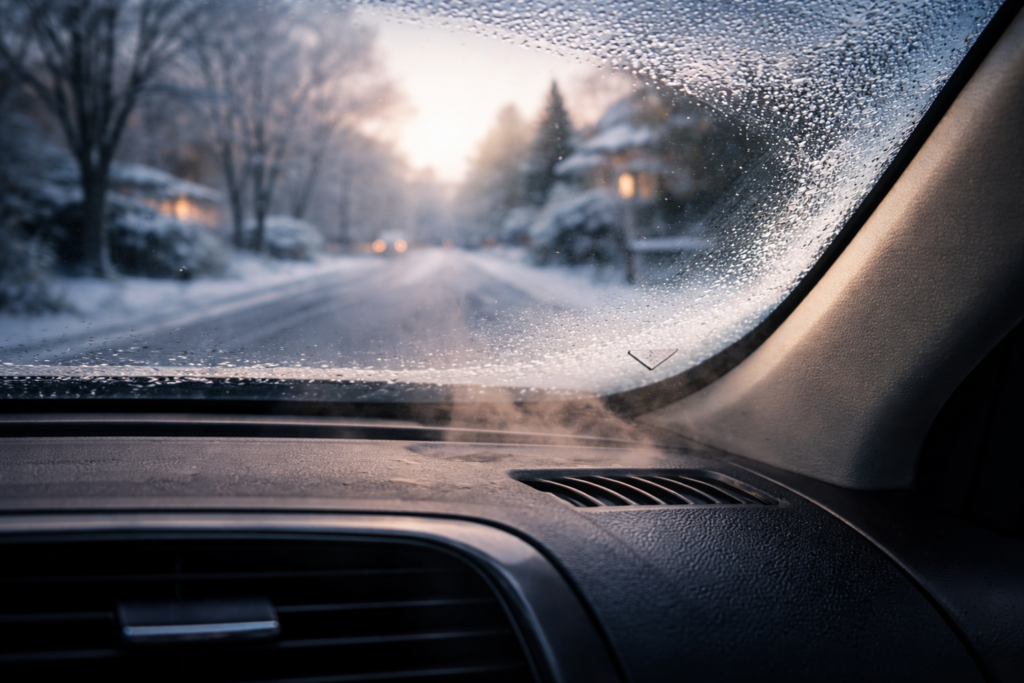
One of the most common winter-related causes of windshield crack expansion is heater and defroster use. When you turn on your heater, warm air is directed at the inside of the windshield while the outside remains cold.
This sudden temperature difference creates thermal stress. The inside of the glass expands while the outside contracts, placing intense pressure on any existing crack. Small cracks are especially vulnerable and can grow rapidly under these conditions.
Gradual heating helps reduce risk, but once a crack exists, even careful heater use may not prevent further damage.
Why Small Cracks Are More Dangerous Than They Appear
Many drivers assume small cracks are harmless as long as they don’t block visibility. In reality, even minor cracks can compromise safety in several ways.
Small cracks can:
- Weaken the overall structural integrity of the windshield
- Reduce the windshield’s ability to support airbags
- Increase the risk of shattering during impact
- Create glare and visual distortion in winter sunlight
The windshield is a critical safety component, not just a piece of glass. Any damage should be taken seriously, especially in cold weather.
Cold Weather and Windshield Safety Systems
Modern vehicles often rely on the windshield to support safety systems such as airbags and driver-assist features. When a windshield is cracked, its ability to perform these functions may be reduced.
In a collision, a compromised windshield may not provide adequate support for passenger-side airbags, increasing the risk of injury. Cold weather further weakens damaged glass, making this risk even greater during winter driving.
Common Winter Driving Situations That Worsen Cracks
Cold weather introduces several everyday driving conditions that can accelerate windshield damage:
- Hitting potholes hidden by snow or ice
- Driving on rough winter roads
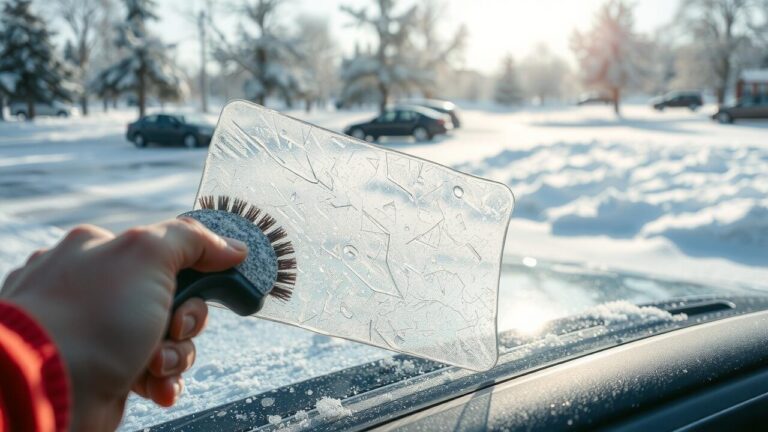
- Ice scraping with excessive force
- Sudden use of high heat on cold glass
- Parking outdoors overnight in freezing temperatures
Each of these situations adds stress to the windshield and increases the likelihood that a small crack will spread.
Repair vs. Replacement in Cold Weather
Whether a windshield can be repaired or must be replaced depends largely on the size, depth, and location of the crack. Cold weather can limit repair options if damage spreads too far.
When Repair May Still Be Possible
Repair is often an option when:
- The crack is very small and stable
- The damage is not spreading
- The crack is away from the driver’s line of sight
Early action is critical. Once a crack begins to grow, repair may no longer be safe or effective.
When Replacement Becomes Necessary
Windshield replacement is typically required when:
- The crack spreads rapidly in cold weather
- Damage obstructs visibility
- The structural integrity of the glass is compromised
Cold weather often shortens the window of time in which repair is possible, making prompt inspection essential.
Why Waiting Until Spring Is Risky
Some drivers choose to delay windshield service until warmer weather, hoping the crack will not worsen. Unfortunately, winter conditions almost always make damage worse, not better.
Waiting can lead to:
- Cracks spreading beyond repairable limits
- Higher replacement costs
- Increased safety risks during winter driving
Addressing windshield damage as soon as it appears is far safer and often more affordable than waiting.
How to Reduce Crack Expansion in Cold Weather
While professional service is the best solution, a few habits can help slow crack growth until your appointment:
- Use low heat initially and increase temperature gradually
- Avoid blasting the defroster on high immediately
- Park in a garage or sheltered area when possible
- Avoid rough roads and sudden impacts
- Schedule a professional inspection promptly
These steps may reduce stress on the glass but should not replace professional evaluation.
The Importance of Professional Inspection
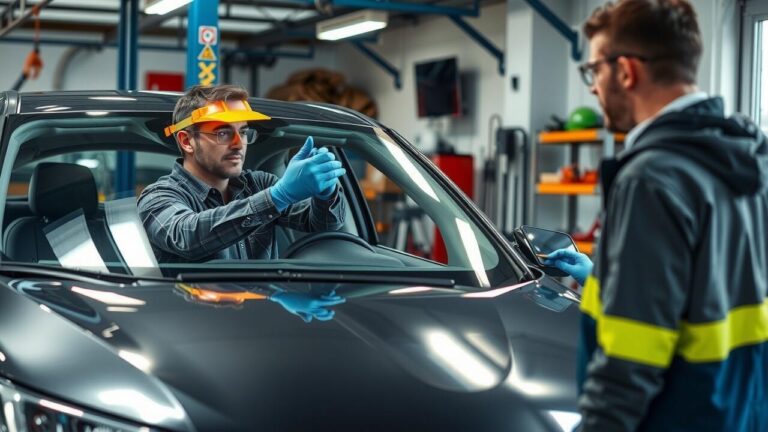
Every crack is different, and cold weather makes proper assessment even more important. A professional inspection determines whether repair is safe or if replacement is the better option.
Technicians evaluate:
- Crack length and depth
- Location and impact on visibility
- Risk of further spreading
- Overall safety concerns
This ensures the recommended solution prioritizes your safety.
Why Professional Auto Glass Service Matters in Winter
Cold weather auto glass service requires proper materials, techniques, and experience. Adhesives and repair methods must perform reliably in lower temperatures to ensure long-term safety.
Auto Glass Hammond focuses on professional standards and careful installation, even in challenging winter conditions. Our goal is to restore safety and clarity while preventing future issues.
When to Schedule Service for Small Cracks
If you notice a small crack at the start of cold weather, it’s best to schedule service immediately. Even cracks that seem stable can worsen quickly with temperature changes.
Early action often means lower cost, more repair options, and greater peace of mind.
Protect Your Windshield This Winter
The danger of small windshield cracks in cold weather should never be underestimated. What looks like minor damage can quickly turn into a major safety concern when temperatures drop.
If your windshield has a small crack and cold weather is approaching, don’t wait. Contact us today to schedule an inspection or service with Auto Glass Hammond. Our experienced team is ready to help keep your vehicle safe, clear, and reliable all winter long.