Key Takeaways
- Comprehending post-freeze windshield inspections
- Procedures for conducting a post-freeze windshield evaluation
- Frequent problems identified during evaluations
- Optimal methods for post-freeze windshield upkeep
- Consequences of ignoring post-freeze windshield inspections
- Selecting the appropriate expert for your evaluation
Understanding Post-Freeze Windshield Audits
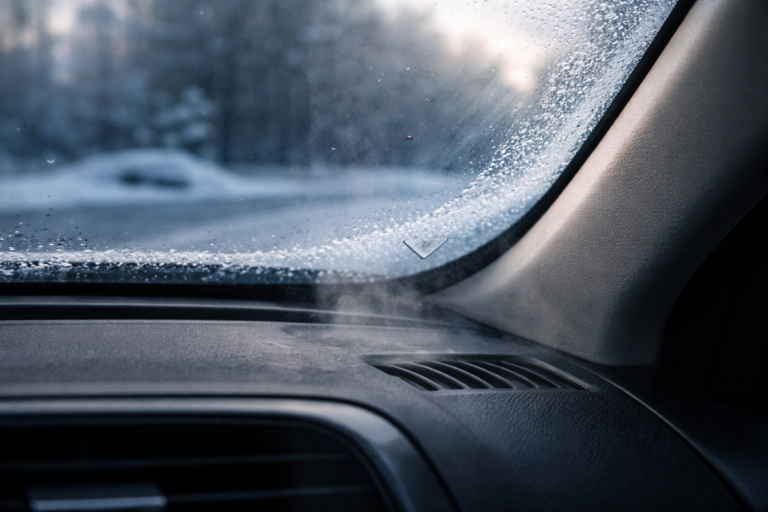
A post-freeze windshield audit is an essential inspection that ensures vehicle safety after winter weather conditions. As temperatures drop, windshields, windshield washers, and windshield wipers can be significantly affected by freezing temperatures, leading to potential defects. This type of audit focuses on checking for cracks, chips, and other damage that can impair visibility and compromise traffic safety. It also involves assessing the integrity of the auto glass, ensuring that all components are functioning correctly, and that windshield washer fluid remains effective. Conducting this thorough post-freeze windshield audit is crucial for preventing accidents and crashes caused by impaired visibility during winter driving conditions.
What is a Post-Freeze Windshield Audit?
A post-freeze windshield audit is a comprehensive inspection conducted after periods of freezing temperatures to assess the integrity of a vehicle’s windshield. This audit is crucial for ensuring passenger safety, as freeze-thaw cycles can lead to various types of damage. An auto repair shop typically performs these audits based on the standards outlined in the National Traffic and Motor Vehicle Safety Act and federal motor vehicle safety standards. Inspections cover not just the windshield but also adjacent components that may have been affected, including brake rotors, which can be crucial for the overall safety of the vehicle.
Conducting a post-freeze windshield audit helps identify defects that may compromise automotive design and function. This audit involves checking for cracks, chips, and adhesive integrity to prevent potential issues down the road. An auto shop familiar with the nuances of weather-related damage can provide an accurate assessment. Prompt attention to these inspections can help avert larger problems and costly auto repair in the future. Keeping abreast of these audits contributes significantly to maintaining vehicle safety and prolonging the lifespan of its components.
- Regular audits can catch small issues before they become major problems.
- It’s recommended to schedule these inspections after significant temperature drops.
- Look for an auto shop with experience in handling freeze-related damage.
- Ensure the inspection covers all related components, not just the windshield.
- A thorough audit can save money in the long run by preventing extensive repairs.
- Documenting the findings can help track the vehicle’s condition over time.
- Stay informed about any recalls or safety notices relevant to windshield and automotive safety.
Importance of Conducting the Audit
A post-freeze windshield audit is crucial for ensuring that vehicles meet safety standards set by authorities like the National Highway Traffic Safety Administration. After challenging winter roads, inspecting windshields for cracks and defects helps prevent compromised visibility, which can impair headlights and increase the risk of motor vehicle accidents. This becomes even more critical as more drivers adopt electric vehicles that may rely on advanced safety features and technology for a safe driving experience.
Neglecting a post-freeze windshield audit can lead to severe consequences, including the potential for rollover accidents. Small chips or cracks can worsen over time, especially under the stress of changing weather conditions, putting both drivers and passengers at risk. Most car insurances may not cover damages resulting from a lack of proper care and maintenance, emphasizing the necessity of regular audits to protect one’s investment and ensure the longevity of vehicles.
Steps for Performing a Post-Freeze Windshield Audit
A post-freeze windshield audit is essential for ensuring the safety and integrity of motor vehicles after extreme cold weather conditions. This audit focuses on inspecting the windshield for defects such as cracks or chips that can impair visibility while driving. Assessing the condition of the wipers is also vital, as they must function effectively to handle adverse weather. Road debris can exacerbate existing damage, leading to accidents if not addressed promptly. Regular maintenance and timely repairs during a post-freeze windshield audit safeguard against potential hazards, ensuring safe driving conditions in heavy traffic. Prioritizing these steps helps prevent serious issues that could arise from neglecting the windshield’s integrity after freezing temperatures.
Inspecting for Defects and Damage
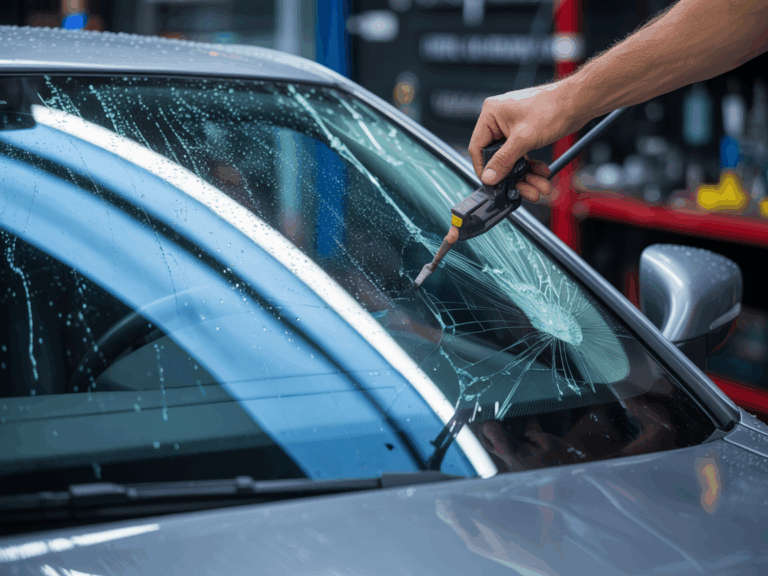
A thorough post-freeze windshield audit involves carefully examining the glass for any defects or damage that may have occurred during the winter months. Frozen windshields can be particularly vulnerable to cracks and chips, especially if improper washing techniques were used. Using a winter-specification windshield washer is crucial in avoiding additional damage to the glass. Identifying any windshield damage early on allows for timely windshield repairs, helping maintain overall windshield integrity.
Attention to detail is essential during the post-freeze inspection as even minor imperfections can escalate into significant issues. Windshield maintenance strategies should include checking for scratches, chips, or other defects that may interfere with visibility. Addressing any potential problems found during a post-freeze windshield audit ensures the safety of drivers and passengers. A proactive approach to inspecting for damage can ultimately protect against costly future repairs.
Assessing Adhesive Integrity
A post-freeze windshield audit must prioritize the assessment of adhesive integrity to ensure that installed windshields maintain their quality and performance. Adhesive plays a critical role in securing the windshield to the vehicle, and any compromise can significantly impact windshield integrity, especially after exposure to harsh winter conditions. A treated windshield doesn’t guarantee protection against adhesive failures, which can occur due to temperature fluctuations and ice formation. Neglecting this aspect may lead to reduced windshield visibility and safety hazards for drivers.
Inspectors during a post-freeze windshield audit should examine the adhesive around the windshield glass for signs of deterioration. Specifically, they should look for gaps or signs of separation that may result from icy windshields. A malfunctioning windshield washer system may also exacerbate issues during winter, as it can limit visibility when debris or ice obstructs the glass. Ensuring that the adhesive is intact not only preserves the windshield’s structural integrity but also helps enhance overall driving safety in challenging weather conditions.
Common Issues Detected During Audits
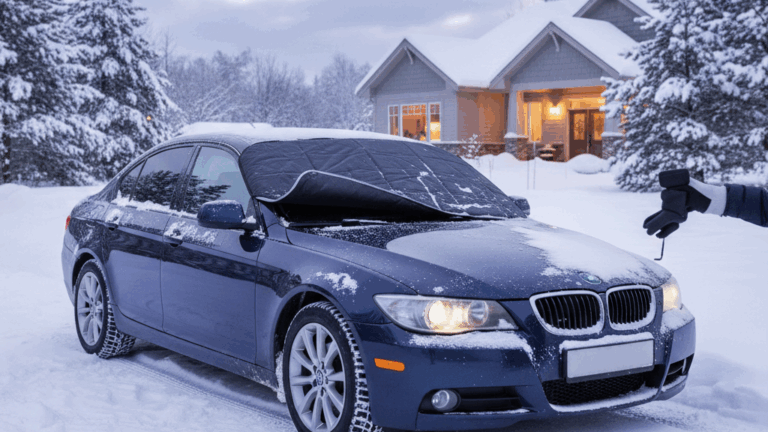
A post-freeze windshield audit reveals several common issues that can compromise driving safety and visibility. Windshield cracks often appear after extreme temperature shifts, leading to concerns about structural integrity. Proper windshield protection, such as using an anti-frost windshield cover, can help prevent damage. The condition of the entire windshield is crucial, as any impairment affects windshield visibility significantly. Drivers should also inspect windshield surfaces for any deterioration that could lead to complications like reduced windshield clearance or malfunctioning entire windshield washer systems. Neglecting these issues may necessitate windshield replacement, especially if non-standardized winter-specification windshields were installed. Using a plastic windshield scraper can help maintain clear windshields and minimize damage during winter weather.
Cracks and Chips in the Glass
A post-freeze windshield audit is essential for identifying cracks and chips that can compromise the integrity of modern windshields. These imperfections weaken the structure and can interfere with the functionality of windshield-mounted cameras, which are vital for advanced driver-assistance systems. Experts recommend checking for signs of damage, especially after extreme cold weather, to ensure a dry windshield and optimal performance of the windshield defroster system. A standardized winter-specification windshield is more resilient to temperature fluctuations, making routine inspections crucial for maintaining an undamaged windshield.
Professional windshield replacement may be necessary when cracks and chips exceed repairable limits. Ignoring these issues can lead to further deterioration, affecting not only visibility but also the efficacy of safety features. Using specification windshield fluid during the winter can help prevent freeze-related damage. A post-freeze windshield audit should encompass thorough assessments to catch potential problems early, allowing for timely mobile windshield replacement if required. Consulting with certified windshields authorities ensures that repairs and installations meet industry standards, maintaining safety and functionality.
Seal and Frame Deterioration
Seal and frame deterioration is a critical concern during a post-freeze windshield audit. The freeze damage mechanism can compromise the integrity of vehicle glass, leading to leaks and potential auto glass damage. Improper maintenance can exacerbate these issues, especially if summer-specification windshield washer solvents are used before winter, reducing windshield resilience. Countless windshields suffer from this neglect, emphasizing the importance of timely inspections.
Addressing seal and frame deterioration promptly is vital for ensuring auto glass safety. A thorough post-freeze windshield audit can reveal weaknesses that might otherwise go unnoticed until they become severe problems. Athorough approach, including the evaluation of the adhesive bonds and frame condition, can prevent costly auto glass repair later on. Vehicle owners should remain vigilant, especially after extreme temperature fluctuations, to maintain optimal performance and safety.
Best Practices for Post-Freeze Windshield Maintenance
Regular maintenance of your vehicle’s auto glass is crucial for ensuring optimal vehicle safety, especially after winter weather conditions. A post-freeze windshield audit serves as an essential tool for identifying defects incurred during the freeze-thaw cycles, including small cracks that can worsen if left unaddressed. Prioritizing a thorough inspection of your auto glass can help detect issues early, allowing for timely repairs that enhance crash protection. Using high-quality auto glass during installations contributes significantly to proper auto glass care, ensuring durability and reliability. Establishing a routine for these audits not only promotes the integrity of your windshield but also safeguards the safety of all motor vehicle occupants.
Preventative Measures for Winter Weather
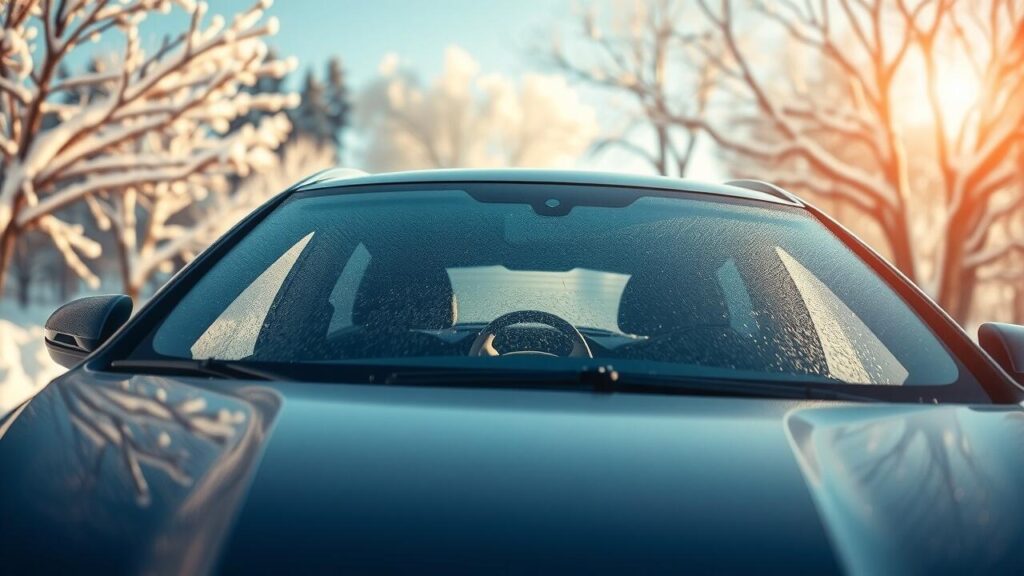
Frozen windows can present significant challenges for vehicle occupants during winter months. Conducting a post-freeze windshield audit helps identify any potential issues that could compromise safety. Auto glass manufacturers emphasize adhering to glass safety standards to ensure that automotive glass replacement is performed correctly. Neglecting to take preventive measures can lead to unmet vehicle safety, increasing the likelihood of alleged safety issues and putting everyone in the vehicle at risk.
Implementing effective wiper maintenance tips plays a crucial role in maintaining visibility and overall driving safety during winter. Regular checks and replacements of worn wiper blades, along with keeping the windshield clean, can significantly reduce the chances of ice build-up. A post-freeze windshield audit should always be part of your safety system, ensuring that any damages are addressed promptly to prevent larger problems. Preparing your vehicle overnight with proper care can help mitigate risks associated with adverse weather conditions.
Regular Inspection Schedules
Establishing a regular inspection schedule for your vehicle is essential for maintaining the integrity of your car windows. A post-freeze windshield audit is particularly important after harsh winter conditions, as it ensures that any frost-induced damage is promptly identified. A full inspection should involve checking for visible issues like cracks or chips, as well as assessing the functionality of various safety systems. If the vehicle sits for extended periods, it can increase the risk of serious safety concerns, especially in the wake of frosted windows and extreme temperatures.
Utilizing automotive-specific glass cleaner during routine check-ups can also enhance visibility and overall driving experience. Ensuring that your auto glass meets safety standards can significantly reduce the likelihood of crashes caused by impaired visibility. Engaging a professional inspection service for your post-freeze windshield audit can provide peace of mind, especially when considering the potential need for auto glass replacements or repairs. Regular audits serve as a proactive approach to safeguarding both the driver and passengers.
The Impact of Neglecting Post-Freeze Windshield Audits
Neglecting a post-freeze windshield audit can lead to significant safety hazards for both drivers and passengers. Regular inspection is essential to identify and mitigate preventable winter damage, such as cracks and deterioration that may arise after freezing temperatures. Washer fluid freezing can create visibility issues, while compromised automotive glass adhesives can contribute to glass failure. Modern vehicle design emphasizes the importance of structural integrity, thus any weakness in the windshield can lead to suspension problems or even catastrophic consequences during a collision. Reputable auto glass professionals recommend that timely and thorough repairs account for adherence to safety standards. Ignoring these audits not only compromises safety but also exposes vehicle owners to potential legal and financial repercussions.
- Regular post-freeze windshield audits can prevent unexpected repair costs.
- Early detection of issues can enhance vehicle safety and driver confidence.
- Ensures compliance with safety regulations and standards.
- Maintains the structural integrity of the vehicle to protect passengers.
- Helps avoid insurance complications from neglecting necessary repairs.
- Promotes safer driving conditions by ensuring clear visibility.
- Can prolong the lifespan of the automotive glass and related components.
Safety Hazards for Drivers and Passengers
A post-freeze windshield audit plays a vital role in identifying visible damage that could pose safety risks for drivers and passengers. Issues such as cracked glass components can obstruct the driver’s view, leading to potential safety problems on the road. If not addressed, these damages may worsen, resulting in more costly repairs and even reducing the effectiveness of the vehicle’s washing system. Ensuring adherence to safety standards during this audit process can greatly enhance the overall safety of the auto.
Ignoring the importance of a post-freeze windshield audit can lead to compromised vehicle performance, especially concerning dimmer headlights affected by dirty or cracked surfaces. Furthermore, frozen washer fluid can hinder visibility, amplifying the dangers faced by drivers and their passengers. Regular inspections not only help detect flaws in the glass but also ensure the integrity of critical vehicle components, maintaining driving safety and overall road security.
Potential Legal and Financial Repercussions
Neglecting a post-freeze windshield audit can lead to significant legal issues for vehicle owners. Without regular inspections, defects such as cracks or foggy windows may go unnoticed. These issues not only impair light transmission but can also compromise the overall driving experience. If accidents occur due to insufficient vehicle maintenance, owners may face liability claims or increased insurance premiums. The implications extend beyond financial loss, as a compromised windshield could affect other critical motor vehicle equipment, including the brake system and rotors.
The safety need for conducting a post-freeze windshield audit is paramount, especially on bumpy roads where visibility is crucial. Legal repercussions may arise if a driver is involved in an incident linked to defected windshields. A lack of adherence to safety practices can result in fines and penalties for failing to maintain proper vehicle conditions. The ramifications can be severe, emphasizing the importance of timely and thorough audits to avoid both financial liability and personal safety risks.
Choosing the Right Professional for Your Audit
Finding the right professional for a post-freeze windshield audit is crucial for maintaining the safety and integrity of vehicles. Many vehicle owners may overlook this essential step, which can lead to costly repairs down the line. A qualified technician will look for several repair indicators, such as cracks and damage to the window or issues with the washer system. These experts understand the federal motor vehicle safety act and its implications for drivers, ensuring compliance with regulations. Failure to conduct a thorough audit increases the chance of accidents, especially in freezing temperatures, making it imperative to select a skilled professional who prioritizes safety and quality.
Conclusion
A post-freeze windshield audit serves as a crucial process for identifying potential damage that may compromise the safety of a driver and passengers. Unmet safety needs related to windshield integrity can lead to severe consequences on the road, which is why regular review and repair of vehicle windows are essential. The National Highway Traffic Safety Administration emphasizes the importance of addressing any defects found during a post-freeze windshield audit to prevent accidents and ensure optimal vehicle performance. Ignoring these audits not only heightens risks but also jeopardizes compliance with safety regulations.
FAQS
What are the major safety concerns related to windshield visibility when temperatures drop below-freezing, especially when dealing with frozen windshield issues?
When temperatures fall below-freezing, it’s crucial to consider the impact on windshield visibility and windshield integrity. Frozen windshields can pose major safety concerns for drivers inside vehicles, as they may prevent clear visibility. It’s important for those in the auto glass industry to ensure quality windshield installation and recommend a specific windshield washer that can help maintain visibility during harsh conditions. Additionally, small cracks can worsen when freezes occur, increasing the chances of needing precision auto glass replacement, which can lead to unmet motor vehicle safety standards.
What steps should be taken for proper auto glass installation to avoid issues with a frozen windshield during extreme cold weather?
To ensure proper auto glass installation and reduce the chance of a frozen windshield, it is crucial to use quality adhesive suitable for low temperatures, check for small cracks that could worsen when freezes occur, and ensure that the windshield integrity is maintained despite harsh conditions. Good windshield visibility isn’t just about clarity; it also involves preventing ice accumulation and ensuring seals are intact during freezing temperatures.
How can I ensure my windshield integrity is maintained during harsh winter conditions, particularly to avoid issues with a frozen windshield?
To maintain windshield integrity during harsh winter conditions, it’s important to regularly inspect for small cracks that could worsen when the cold weather causes the frozen windshield. Doing routine checks can help you address any potential issues before they become significant problems. This will reduce the chance of auto glass failure caused by the freezing temperatures and preserve the overall safety of your vehicle.
What actions can I take to prevent a frozen windshield from forming and maintain windshield integrity during harsh winter conditions?
To prevent a frozen windshield from forming and maintain windshield integrity during harsh winter conditions, you should take proactive steps such as using a quality windshield cover to protect against ice and snow. Additionally, ensure that any small cracks are repaired promptly, as these can worsen when exposed to freezing temperatures. Regularly checking your auto glass for any signs of damage can also reduce the chance of issues arising with a frozen windshield.
How can I improve the chances of avoiding a frozen windshield and maintain windshield integrity during harsh winter conditions?
To improve your chances of avoiding a frozen windshield, ensure that your windshield is clean and free from small cracks that can worsen as the temperature drops. During harsh winter conditions, you should also regularly check your auto glass for any chips or imperfections, as these can expand when exposed to freezing temperatures. Taking proactive measures can significantly reduce the chances of developing a frozen windshield and help maintain windshield integrity.
What preventative measures can be taken to reduce the chance of a frozen windshield along with maintaining windshield integrity in harsh winter conditions?
To reduce the chance of a frozen windshield, consider utilizing windshield covers or parking in a garage. Additionally, regularly checking for small cracks in the windshield is crucial, as these can worsen when exposed to freezing temperatures. Ensuring proper auto glass installation can also help maintain windshield integrity during harsh weather conditions.
What maintenance practices should I adopt to lower the chance of a frozen windshield and ensure windshield integrity during harsh winter conditions?
To lower the chance of a frozen windshield, ensure that your auto glass is well-maintained without any small cracks that can become worse when freezes occur. Regularly inspect your windshield for integrity, keeping in mind that small cracks can expand in cold temperatures. Additionally, using a windshield cover when frost is expected can also protect against ice build-up, improving your windshield’s condition during harsh winter conditions.
What are the best practices for maintaining windshield integrity during the winter to avoid a frozen windshield?
To ensure your windshield integrity is maintained during winter, consider regular inspections for small cracks that may worsen when freezes occur. Additionally, utilizing windshield treatments can minimize the chance of a frozen windshield. Practice proper auto glass cleaning and maintenance to help keep your windshield—doing well throughout harsh weather conditions.
What are the effective strategies for doing regular checks to avoid small cracks that might lead to a frozen windshield and to maintain windshield integrity in harsh winter conditions?
To maintain windshield integrity during harsh winters and reduce the chance of a frozen windshield, it’s essential to regularly inspect your auto glass for small cracks, as these can become more pronounced when freezes occur. Performing routine checks, applying a protective sealant, and keeping your windshield clean can significantly help in preventing issues caused by harsh weather conditions.
How can regular inspections help reduce the chance of a frozen windshield while ensuring windshield integrity in harsh winter conditions?
Regular inspections are crucial for identifying small cracks before they freeze, which could compromise the windshield integrity in harsh winter conditions. By doing routine checks of your auto glass, you significantly lower the chance of a frozen windshield occurring during extreme weather, as you can address any issues promptly.