As temperatures plummet and frost blankets our vehicles each morning, winter presents unique challenges for auto glass integrity and driver safety. The harsh realities of cold weather conditions create a perfect storm for windshield damage, visibility issues, and potential safety hazards that every driver must understand and address proactively. Through years of observing winter-related auto glass failures and speaking with industry professionals, I’ve learned that proper seasonal vehicle care isn’t just about convenience—it’s a critical safety imperative that protects both your investment and your life.
The National Highway Traffic Safety Administration emphasizes that clear visibility through your windshield is paramount for safe winter driving conditions. Yet each year, thousands of drivers experience preventable glass damage, costly repairs, and dangerous visibility obstructions simply because they weren’t aware of proper cold weather glass care practices. This comprehensive guide addresses the most pressing winter auto glass challenges and provides you with actionable strategies to maintain optimal glass integrity throughout the coldest months.
Winter poses serious threats to your auto glass through thermal stress cracks, ice damage, and visibility challenges. Prevent windshield damage by using proper defrosting techniques, selecting appropriate washer fluid, maintaining wiper blades, and understanding how cold temperatures affect both laminated glass and tempered glass. Regular inspection and immediate crack repair are essential for maintaining structural integrity and ensuring safe winter driving.
Understanding Auto Glass Integrity and Cold Temperature Effects

Your vehicle’s windshield serves a far more critical function than simply keeping wind and debris out of your face. Modern windshields constructed from laminated glass consist of two glass layers bonded with a plastic interlayer, creating a crucial structural component that supports your vehicle’s roof, enables proper airbag deployment, and maintains crash safety during collisions. The side and rear windows, typically made from tempered glass, are designed to shatter into small, relatively harmless pieces upon impact.
Cold weather fundamentally alters the physical properties of these safety glass materials. As temperatures drop, glass contracts and becomes more brittle, making it significantly more susceptible to stress fractures from even minor impacts. When you combine this increased brittleness with the thermal stress created by rapid temperature change—such as blasting hot air from your defroster onto an ice-covered windshield—you create the perfect conditions for catastrophic glass failure.
How Freezing Conditions Compromise Glass Strength
The relationship between temperature and glass durability isn’t linear. Research indicates that windshield durability decreases progressively as temperatures fall below freezing, with glass becoming approximately 30% more vulnerable to impact damage at temperatures below 15°F compared to summer conditions. This reduced impact resistance means that road debris, falling ice, or even aggressive ice scraping can cause damage that might have been harmless during warmer months.
Additionally, existing minor chips or cracks that seemed insignificant during autumn can rapidly expand during winter freeze-thaw cycles. Moisture enters these small imperfections, freezes, expands, and creates pressure that drives cracks further across your windshield—often extending damage beyond repairable limits overnight.
Windshield Damage Prevention Through Proper Defrosting Techniques

The most common cause of preventable winter windshield damage stems from improper defrosting methods. The desire to quickly clear a frozen windshield on a frigid morning leads many drivers to make critical mistakes that compromise glass integrity. Understanding safe defrosting practices represents your first line of defense against thermal shock windshield cracks.
Safe Methods for Deicing Car Windshield
Never pour hot or boiling water directly onto your frozen windshield. This creates extreme thermal stress from rapid temperature change, frequently causing the glass to crack instantly. Instead, implement these safer alternatives:
- Start your vehicle and activate the defroster at a low temperature setting, gradually increasing heat as the glass warms
- Use a commercial de-icer spray formulated specifically for automotive glass, which melts ice without temperature shock
- Cover your windshield overnight with a protective windshield cover to prevent ice accumulation
- Allow adequate warm-up time—typically 10-15 minutes—before driving to ensure proper defroster efficiency and clear visibility
Proper Windshield Heating and Thermal Protection
Your vehicle’s heating system maintenance directly impacts windshield safety. A properly functioning defroster distributes heat evenly across the glass surface, preventing the localized hot spots that contribute to thermal stress cracks. If you notice uneven defrosting patterns or reduced airflow, have your climate control system inspected by a professional before winter intensifies.
Advanced vehicles equipped with heated windshield technology provide significant advantages for winter glass preservation. These systems use embedded heating elements to gently warm the glass from within, eliminating thermal shock risks while providing superior ice removal and condensation prevention.
Ice Scraper Selection and Ice Removal Methods Without Damage

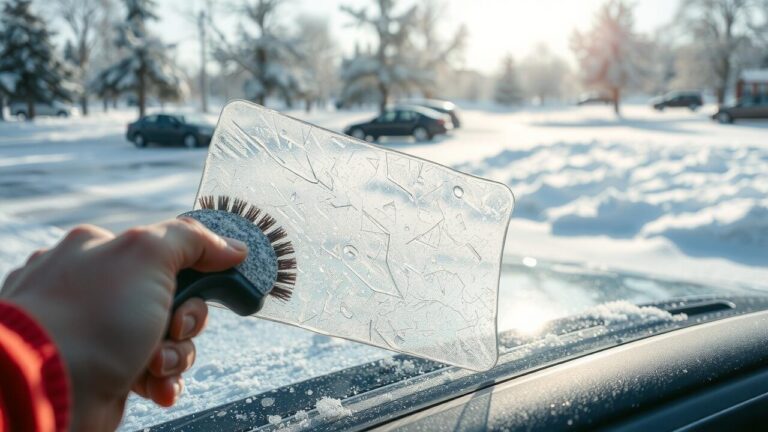
While mechanical ice removal remains necessary during winter, improper ice scraping techniques cause thousands of windshield scratches and cracks annually. The quality of your ice scraper and your scraping technique directly determine whether you’re safely clearing your windshield or inadvertently damaging it.
Choose an ice scraper with a smooth plastic blade rather than metal edges, which can gouge and scratch your windshield’s surface. The scraper should feature an ergonomic handle that allows you to apply even, gentle pressure without excessive force. Many professionals recommend brass-blade scrapers, which effectively remove ice while remaining softer than glass, preventing surface damage.
Ice Scraping Safety and Glass Preservation
- Always push the scraper away from you in straight lines rather than using circular motions that can trap debris and create scratches
- Never scrape in a rushed, aggressive manner—patience prevents damage
- Clear loose snow before scraping to avoid dragging abrasive particles across the glass
- Focus on removing the bulk of ice while allowing your defroster to melt the remaining thin layer
- Avoid scraping near existing chips or cracks, as pressure can cause immediate expansion
Wiper Blades and Washer Fluid: Essential Winter Visibility Components
Maintaining optimal windshield visibility in winter extends beyond the glass itself to include the systems that keep it clear. Standard wiper blades designed for three-season use frequently fail in winter conditions, leaving dangerous streaks, failing to clear ice effectively, and potentially freezing to your windshield.
Winter wiper blades feature specialized rubber compounds that remain flexible in freezing temperatures, along with protective boot covers that prevent ice accumulation within the blade assembly. Investing in quality winter wipers represents a minor expense that significantly enhances visibility enhancement and prevents the windshield scratching that occurs when degraded blades drag metal frames across glass.
Antifreeze Washer Fluid Selection for Freezing Temperatures
Perhaps no winter maintenance task is simpler yet more critical than selecting appropriate windshield washer fluid. Standard summer formulations freeze at temperatures just below 32°F, potentially damaging your washer system and leaving you without visibility restoration capability when you need it most.
Choose washer fluid specifically rated for temperatures well below the lowest expected in your region. Quality winter formulations remain liquid to -20°F or colder while incorporating cleaning agents that cut through road salt residue. The NHTSA recommends keeping your washer fluid reservoir full throughout winter, as you’ll use significantly more than during warmer seasons due to constant road salt spray and reduced visibility conditions.
Glass Crack Repair and Damage Assessment Before Winter
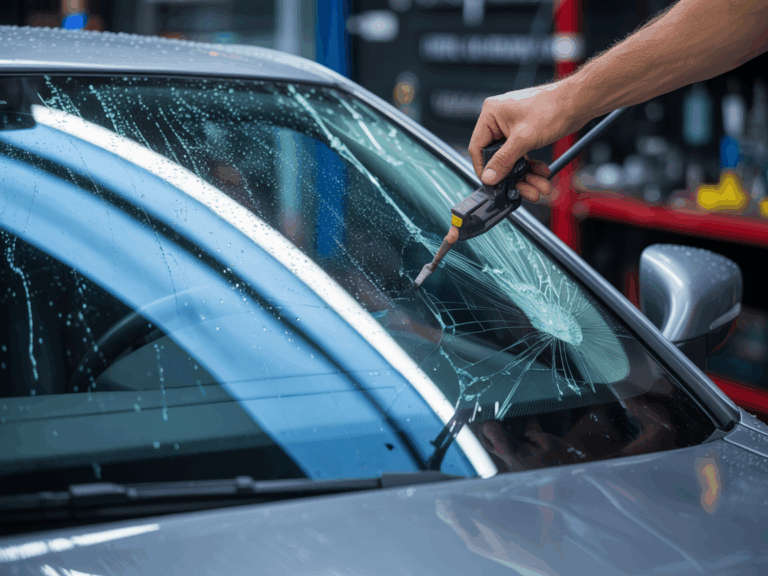
Any existing windshield damage, regardless of size, demands immediate attention before winter weather arrives. Small chips measuring less than a quarter in diameter and cracks shorter than three inches can typically be repaired effectively, restoring structural integrity and preventing expansion. However, once winter freeze-thaw cycles begin affecting damaged glass, repair becomes significantly more difficult and often impossible.
Professional windshield chip repair involves injecting specialized resin into the damaged area under pressure, then curing it with ultraviolet light to create a bond nearly as strong as the original glass. This process works best at moderate temperatures, as cold weather impacts windshield repair resin curing times and effectiveness. Scheduling repairs during autumn before temperatures drop ensures optimal results and prevents minor damage from becoming catastrophic during winter.
Repair Versus Replacement Decisions
Understanding when damage crosses the threshold from repairable to requiring windshield replacement protects your safety and prevents unnecessary expenses. Generally, damage requires replacement rather than repair when:
- Cracks extend longer than six inches or reach the windshield edge
- Damage falls within the driver’s direct line of sight, compromising optical clarity
- Multiple chips or cracks are present, indicating compromised glass integrity
- The damage penetrates both glass layers of the laminated windshield
- Glass layer separation or delamination is visible around the damaged area
Winter Preparation Checklist: Comprehensive Cold Weather Glass Care
Proactive winter preparation significantly reduces your risk of glass damage and visibility issues. Implementing a systematic approach to seasonal vehicle care ensures you’ve addressed all critical areas before harsh weather arrives.
Begin your winter auto glass maintenance schedule with a thorough glass inspection examining all windows for existing chips, cracks, or other damage requiring attention. Check that all wiper blades move smoothly without binding and replace them if showing signs of deterioration. Verify your defroster distributes heat evenly across the entire windshield surface, and test your washer system for proper spray pattern and fluid flow.
Preventive Glass Care and Protection Measures
Beyond addressing immediate maintenance needs, several protective measures provide long-term benefits throughout winter. Consider applying a hydrophobic glass treatment product that causes water and ice to bead and slide off more easily, reducing ice accumulation and improving visibility during precipitation. Keep a quality snow brush and ice scraper in your vehicle at all times, along with a bottle of commercial de-icer for emergency situations.
For vehicles parked outdoors regularly, invest in a windshield cover that protects against overnight ice buildup, eliminating scraping entirely and preventing the thermal stress associated with aggressive defrosting. If garage parking is available, utilize it—maintaining your vehicle at even moderately warmer temperatures dramatically reduces winter glass stress and extends windshield longevity.
Advanced Safety Considerations: Modern Glass Technology and Winter Challenges
Contemporary vehicles increasingly incorporate advanced driver assistance systems that rely on cameras and sensors mounted on or near the windshield. These technologies, including lane departure warnings, automatic emergency braking, and adaptive cruise control, depend on clear glass and properly calibrated sensors to function correctly during winter driving conditions.
Ice accumulation, road salt residue, and even minor windshield damage can interfere with camera functionality and sensor calibration, potentially disabling critical safety systems. Following windshield replacement, these systems require professional recalibration to ensure accurate operation—a step that cannot be overlooked when dealing with modern vehicles equipped with such technology.
The quality of windshield replacement materials and professional installation directly impacts not only visibility and weather resistance but also the structural integrity crucial for crash safety and occupant protection. Original equipment manufacturer (OEM) glass and adhesives meet stringent safety standards and ensure proper fit, while inferior aftermarket alternatives may compromise these critical safety functions.
Conclusion: Your Winter Auto Glass Safety Action Plan
Winter auto glass safety encompasses far more than simply scraping ice off your windshield each morning. By understanding how cold weather affects glass integrity, implementing proper defrosting techniques, maintaining critical components like wiper blades and washer fluid, and addressing damage proactively, you dramatically reduce your risk of costly repairs and dangerous visibility issues.
The investment in preventive winter glass care—whether measured in time, attention, or modest financial expenditure—pales in comparison to the costs of emergency windshield replacement, insurance deductibles, or worse, the safety risks of driving with compromised visibility or structural integrity. Start implementing these winter windshield safety practices today, and you’ll navigate the coldest months with confidence and clarity.
Have you experienced winter windshield damage, or do you have additional cold weather glass care tips to share? Leave a comment below with your experiences and questions. If you found this guide valuable, please share it with fellow drivers who could benefit from these winter auto glass safety recommendations. Safe driving begins with clear visibility—make winter glass care your priority this season.
Frequently Asked Questions
How can I prevent my windshield from cracking in winter temperatures?
Prevent winter windshield cracks by avoiding rapid temperature changes, using gradual defrosting methods, repairing existing chips before cold weather arrives, and parking in covered areas when possible. Never pour hot water on frozen glass, and allow your defroster to warm the windshield slowly rather than using maximum heat immediately. Regular inspection and prompt repair of any damage significantly reduces crack risk during freezing conditions.
What temperature windshield washer fluid should I use in winter?
Select windshield washer fluid rated for at least 10-20 degrees below the lowest expected temperature in your area. Most winter formulations are rated between -20°F and -40°F. Using properly rated antifreeze washer fluid prevents system damage from freezing and ensures you maintain visibility during winter driving when road salt and spray constantly coat your windshield. Check the label carefully, as summer formulations freeze at temperatures just below 32°F.
Can I repair a windshield crack during winter, or do I need to wait for warmer weather?
Professional windshield repair can be performed during winter, but it requires controlled temperature conditions for optimal resin curing. Most reputable auto glass shops conduct repairs in heated facilities where temperatures allow proper adhesive performance. However, repair effectiveness decreases in extreme cold, and existing damage tends to expand during winter freeze-thaw cycles, so addressing chips and cracks before winter or as soon as they occur provides the best outcomes.
Why does my windshield fog up more in winter, and how do I prevent it?
Winter windshield fogging occurs when warm, moist air inside your vehicle contacts the cold glass surface, causing condensation. Prevent fogging by running your defroster with the air conditioning activated (which removes moisture), slightly opening a window to equalize humidity, and regularly cleaning the inside windshield surface to remove film that attracts moisture. Ensure your cabin air filter is clean, as a clogged filter reduces defroster efficiency and increases moisture retention.
Is it safe to drive with a small windshield crack during winter?
Driving with any windshield crack is risky, but winter conditions make it particularly dangerous. Cold temperatures cause cracks to expand rapidly, potentially resulting in sudden glass failure while driving. Additionally, a damaged windshield compromises structural integrity essential for crash safety and proper airbag deployment. Even small cracks can obstruct visibility when positioned in the driver’s sight line. Address windshield damage immediately regardless of size, especially before or during winter months when expansion risks are highest.
How long should I let my car warm up to safely defrost the windshield?
Allow 10-15 minutes for proper windshield defrosting in typical winter conditions, though extreme cold may require additional time. Start with the defroster at a moderate temperature and gradually increase heat as the glass warms. Modern vehicles warm up more efficiently than older models but rushing this process by using maximum heat immediately increases thermal stress crack risk. The windshield should be completely clear with no ice, frost, or fog before driving, as visibility is essential for safe winter driving conditions.