Key Takeaways
- Fluctuations in heat can lead to fissures in glass surfaces, highlighting the importance of comprehending these vulnerabilities.
- The principles of thermodynamics explain how varying temperatures contribute to the formation of damage.
- Recognizing cracks associated with temperature shifts is crucial for timely interventions.
- Taking proactive steps can significantly enhance the longevity and durability of glass structures.
- Addressing and mending glass damage promptly can prevent further complications.
Temperature Changes Windshield Cracks | Understanding Windshield Cracks
Temperature changes can significantly contribute to the formation of windshield cracks in automotive windshields. Laminated safety glass, commonly used in car windshields, can become vulnerable to these temperature fluctuations. Extreme weather conditions can cause rapid expansion and contraction of the glass, leading to weaknesses that result in cracks. Regular activities such as washing the car or using wiper blades can further exacerbate existing stress points in the glass. Understanding how these temperature changes impact windshields is essential for vehicle owners aiming to maintain the integrity and safety of their windshields.
Temperature Changes Windshield Cracks | What Causes Windshield Cracks?
Temperature changes play a significant role in the formation of windshield cracks. Auto glass is sensitive to variations in temperature, and extreme shifts can lead to stress and fractures. During the winter, the freeze-thaw cycle amplifies this problem, as the glass expands and contracts with fluctuating temperatures. Prolonged exposure to very cold conditions can weaken the structure of the windshield, making it more susceptible to damage from road debris or sudden impacts.
The effects of heating and cooling are particularly prominent during winter road conditions. Heating an icy windshield too quickly can lead to immediate stress points that create cracks. Likewise, as temperatures rise, the glass may expand beyond its capacity, resulting in further complications. Understanding these aspects of temperature changes is crucial for traffic safety, as even minor cracks can impair visibility and lead to serious accidents.
- Regularly inspect your windshield for any signs of cracks or chips.
- Avoid using hot water to defrost a frozen windshield; use a scraper instead.
- Maintain a consistent indoor temperature for your vehicle when possible.
- Park in a garage or shaded area to avoid sudden temperature changes on the glass.
- If you notice a small crack, consider having it repaired promptly to prevent worsening.
- Be cautious when using defrosters or heaters; adjust them gradually.
- Replace your windshield if cracks become severe to ensure maximum safety.
The Role of Temperature Changes in Windshield Damage
Temperature changes can significantly impact the integrity of a vehicle’s windshield. Rapid shifts between heat and freezing conditions expose the glass to thermal stress, which increases the risk of temperature changes windshield cracks. For example, parking a car in direct sunlight and then turning on the air conditioner can create a sudden cooling effect that leads to thermal shock, causing the glass to expand or contract unevenly. These extreme fluctuations often result in the formation of cracks that compromise both visibility and safety.
Understanding the connection between weather conditions and windshield damage is crucial for vehicle maintenance. Constant exposure to varying temperatures, especially in regions with harsh climates, places additional strain on the windshield. Cracks may appear unexpectedly as the glass responds to the stresses of heat and cold. Recognizing these patterns is essential for preventing temperature changes windshield cracks before they cause more significant issues, ultimately affecting the overall durability of the vehicle.
The Science Behind Temperature Changes
Temperature fluctuations play a significant role in the formation of windshield cracks. As the temperature changes, materials expand and contract, creating stress within the glass. This stress can lead to windshield stress cracks that frequently start as small imperfections. If left unchecked, even minor windshield damage can progress into larger cracks or even a broken windshield. Extreme temperature changes contribute significantly to these issues, making it crucial to monitor and address any signs of damage promptly. A cracked windshield can compromise visibility and safety, leading to serious consequences. Understanding how temperature changes affect windshields helps in taking proactive measures to prevent further damage and ensure the integrity of the glass.
How Temperature Fluctuations Affect Glass
Temperature fluctuations can lead to significant stress on the glass of a vehicle. As the temperature changes, windshield cracks may develop due to the expansion and contraction of the glass material. A frozen windshield from extreme cold can experience rapid changes when exposed to heat sources like a defroster. These sudden shifts can compromise windshield integrity, increasing the risk of minor windshield damage that might require reliable windshield repairs.
Understanding how temperature changes contribute to windshield issues is vital for vehicle owners. An intact windshield can maintain its strength if proper precautions are taken. Regular inspections for signs of temperature-related cracks can prevent minor issues from escalating into larger problems. Seeking great windshield repair solutions promptly ensures that any damage is addressed before it becomes a significant concern, helping to preserve a clean windshield and improve visibility on the road.
- Regularly inspect your windshield for signs of cracks or chips.
- Avoid using hot water to defrost a frozen windshield, as this can cause thermal shock.
- Use a gradual heating technique when defrosting to minimize temperature fluctuations.
- Park in a garage or shaded area to protect the glass from extreme temperature changes.
- Consider applying a protective film to your windshield to enhance durability against temperature fluctuations.
- Get immediate repairs for any detected damage to avoid further complications.
- Stay informed about the weather to anticipate potential risks for your glass.
Expansion and Contraction Dynamics
Extreme temperature changes can significantly affect the integrity of windshields. Rapid heating or cooling causes the glass to expand or contract, creating stress points. For instance, a hot windshield exposed to sudden cold rain can develop temperature changes windshield cracks. Even a minor windshield chip can worsen if left unattended. A reliable windshield replacement can prevent further impairment, ensuring safety and visibility while driving.
Understanding the dynamics of expansion and contraction is essential for maintaining windshield integrity. Using a windshield cover during extreme weather conditions can mitigate the impact of temperature fluctuations. Such preventative measures help reduce the likelihood of windshield impairment. If a crack appears due to temperature fluctuations, seeking expert windshield replacement may be necessary. For significant damage, a full windshield replacement ensures comprehensive safety on the road.
Identifying Temperature-Related Cracks
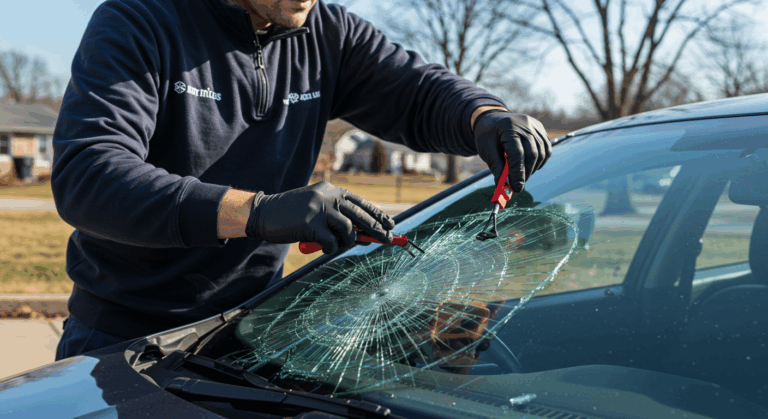
Recognizing the signs of temperature changes windshield cracks is essential for maintaining a sound windshield. Frequent fluctuations in temperature can create conditions that lead to new cracks or exacerbate existing damage. A chipped windshield may appear harmless, but it can quickly develop into large cracks if not addressed. Observing your car’s windshield for signs of damage such as spider webs or lines that differ from the standard wear and tear is crucial. Weather-related auto glass issues often stem from stress placed on the car glass layers by extreme temperature changes. An undamaged windshield requires vigilant monitoring to prevent minor imperfections from escalating into significant safety concerns.

Signs of Damage Due to Temperature Changes
Temperature changes can lead to visible signs of damage on your windshield. Small cracks may appear as a direct result of fluctuating temperatures, especially after a sudden temperature change. For instance, driving from a heated indoors environment into a cold exterior can cause stress on the glass. Busy Bee Windshields emphasizes the importance of recognizing these signs early. Ignoring temperature changes windshield cracks can result in more serious issues, jeopardizing auto glass safety and potentially leading to costly repairs.
Identifying signs of damage requires vigilance. Look for small cracks that expand or new fissures developing in response to changes in temperature. A cracked road can also impact your windshield’s integrity during warm days when temperatures dip suddenly at night. Regular checks for these signs can help prevent the need for auto glass repair. Being aware of how temperature changes affect windshield conditions is essential in maintaining overall vehicle safety and durability.
The Difference Between Temperature-Induced and Other Cracks
Temperature changes play a significant role in the formation of windshield cracks. Rapid temperature changes can cause glass to expand or contract, leading to minor cracks that may start small but can worsen quickly. For instance, a warm vehicle interior meeting cold exterior conditions can create significant stress on the windshield. Fluctuating winter temperatures and icy windows are common scenarios that contribute to this issue. Understanding how temperature changes windshield cracks helps in identifying potential damage before it escalates.
Other factors can also lead to windshield cracks, such as road debris or impact damage. These cracks typically result from physical force rather than environmental conditions. Unlike temperature-induced cracks, which often appear in response to extreme temperature changes, impact-related cracks might present as chips or spider-web patterns. Weather-resistant glass is designed to withstand some temperature fluctuations, but it is not completely immune to damage from sudden changes. Recognizing the distinct characteristics of each type of crack is essential for proper maintenance and repair.
Preventative Measures for Windshield Care
Taking proactive steps is essential for protecting your windshield from temperature changes windshield cracks. Maintaining a comfortable temperature inside your vehicle helps to minimize the risk of damage, especially during winter driving. Rapid temperature changes can occur when transitioning from the icy roads outside to the warm interior, putting stress on auto glass. Regularly checking for signs of wear can help identify issues before they escalate. During harsh winter road conditions, keeping the internal temperature steady is crucial. Employing these best practices ensures your windshield remains resilient against temperature fluctuations that could lead to cracks.

Steps to Protect Your Windshield from Temperature Changes
Protecting your windshield from temperature changes is essential to prevent windshield cracks. During freezing temperatures, a frozen-over window can exacerbate existing damage. It’s vital to avoid sudden temperature shifts, as these can cause stress on the glass. Keeping your vehicle in a garage or covered space can lessen exposure to uneven surfaces that fluctuate in temperature. This proactive approach enhances overall safety and mitigates the risk of glass problems that arise from such changes.
Maintaining a consistent inside temperature can also help combat temperature-induced stress on your windshield. Parking in shaded areas during hot weather can minimize extreme temperature variations. Similarly, using sunshades can protect the windshield from direct sunlight, reducing rapid heating. Being mindful of these factors will significantly lower the likelihood of temperature changes leading to windshield cracks. Taking these simple steps ensures the longevity of your windshield and helps avoid costly repairs.
Best Practices for Maintaining Windshield Integrity
Understanding how temperature changes can affect your windshield is crucial. Rapid shifts from excessive heat to cold temperatures can lead to significant stress on the glass, creating opportunities for temperature changes windshield cracks. For instance, if a hot car cools too quickly due to a drop in outside temperature, this sudden transformation can compromise the integrity of the windshield. Being aware of this phenomenon can help prevent damage that arises from road vibrations and varying external temperatures.
Regular maintenance is essential for preserving windshield integrity. Keeping your car in shaded areas can minimize the impact of harsh sunlight while protecting against temperature changes windshield cracks. Utilizing advanced auto glass treatments can also enhance resilience against outside temperature fluctuations. Performing routine inspections will help identify any potential vulnerabilities, ensuring that minor issues do not escalate into severe damage caused by cold temperatures or excessive heat.
Repairing Windshield Cracks
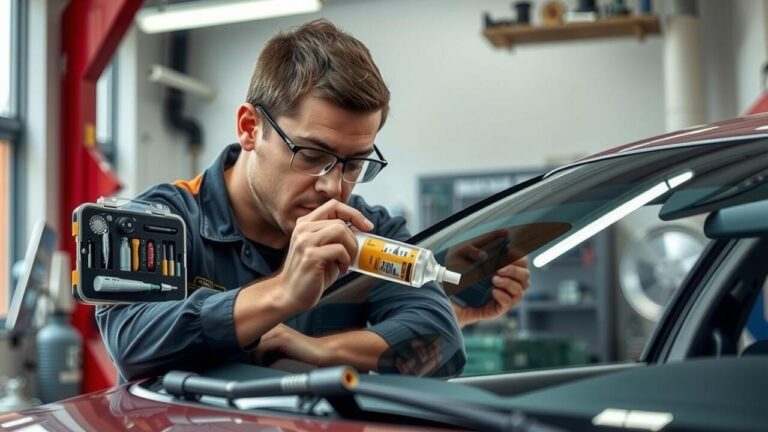
Temperature changes can significantly impact windshield integrity. Extreme temperatures, including high temperatures during the summer and subzero temperatures in the winter, can lead to the development of windshield cracks. Sudden cooling, such as the use of air-conditioning vents on a hot day, might cause a small crack to worsen rapidly. Long cracks resulting from pre-existing damage can become even more problematic with ongoing temperature fluctuations. Identifying the signs of damage early is crucial, as waiting too long can lead to a complete windshield failure, especially during cold weather. Taking timely action will help mitigate the risks associated with temperature changes and windshield cracks.
When to Seek Professional Help
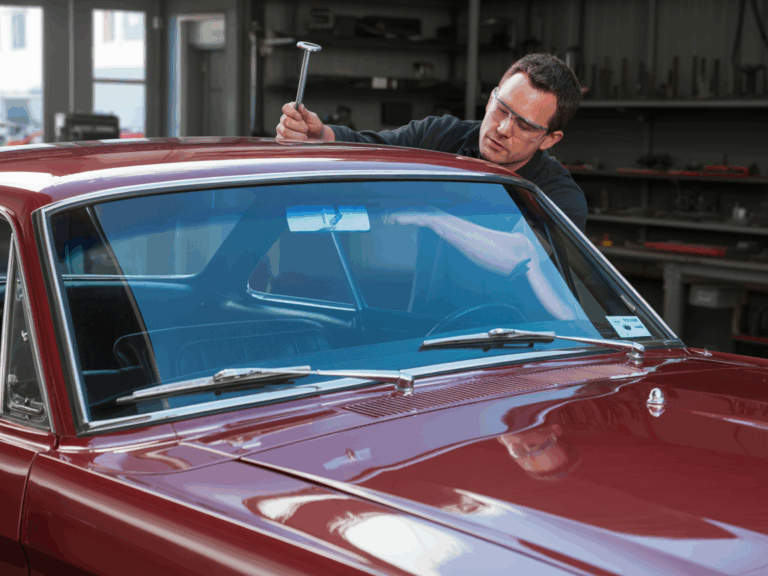
Temperature changes can significantly impact the integrity of a windshield, leading to cracks that may worsen over time. Ohio drivers, particularly during winter weather, should remain vigilant about the appearance of any damage. Unpredictable weather can cause rapid fluctuations in temperature, which can exacerbate existing cracks. It’s essential for drivers to seek professional repairs promptly to ensure a safer driving experience and prevent further complications.
Timely repairs are crucial for addressing any temperature changes windshield cracks may present. Ignoring even minor cracks can lead to more extensive damage, compromising the safety of the vehicle. Professional assistance can provide the necessary expertise to assess the extent of the crack and recommend appropriate repairs. Ohio drivers should prioritize the condition of their windshields to maintain optimal visibility and safety on the road.
| Crack Type | Recommended Action | Potential Risks |
|---|---|---|
| Small Chip | Repair within a week | May develop into a larger crack |
| Star Break | Seek professional repair | Compromised structural integrity |
| Long Crack | Replace windshield | Reduced visibility and safety risks |
| Multiple Cracks | Immediate assessment required | Increased likelihood of windshield failure |
Conclusion
Temperature changes can significantly impact the integrity of windshields, leading to potential cracks that require timely repair. As temperatures fluctuate, the material of the windshield expands and contracts, making it susceptible to defects, especially during cold weather. Recognizing how temperature changes affect windshield cracks is essential for vehicle maintenance. Proactive measures and immediate repairs are crucial in preventing minor chips from evolving into major issues, ensuring the safety and clarity of your driving experience. Understanding the relationship between temperature changes and windshield cracks can help car owners take the necessary steps to protect their vehicles.
FAQS
How can temperature changes affect my car’s windshield and potentially lead to broken windshields?
Temperature changes can significantly impact your car’s windshield. For instance, if the exterior temperature drops suddenly while your car’s interior temperature remains high, the resulting stress on the glass can cause cracks to worsen. This drastic difference in temperature can lead to windshield damage that progresses over time. Therefore, avoiding extreme temperature changes, such as immediately using a car wash after driving on a hot day, is essential to prevent further damage to your damaged auto glass. If cracks are present, they may break overnight if subjected to extreme conditions, leading to a roof collapse on extreme cases of windshield damage.
How can sudden cooling in different temperatures affect my car’s windshield and lead to potential cracks or breaks?
Sudden cooling—such as when you wash your car with cold water during winter—can significantly impact auto glass. When temperatures drop rapidly, the stress on your car’s windshield increases, which may cause existing windshield damage to progress. As the crack worsens overnight, it’s crucial to address any minor issues promptly to prevent broken windshields in the future.
How does a car wash during extreme temperature changes impact the integrity of my car’s windshield?
When a car’s windshield is subjected to a car wash, the sudden exposure to different temperature conditions can cause windshield damage. For example, if the windshield is very cold overnight and is suddenly hit with hot water during a wash, it can lead to cracks as the windshield damage progresses. It’s important to be cautious of how temperature fluctuations influence your carâs windshield to prevent potential issues.
How does a car wash during extreme temperature changes affect the likelihood of windshield damage?
A car wash during extreme temperature changes can lead to potential windshield damage. For instance, if temperatures drop overnight and a warm car is suddenly exposed to cold water, the rapid change can cause stress on the glass, increasing the risk of cracks. Therefore, it’s essential to be cautious about your car wash practices during these conditions to prevent any damage to your windshield.
Does a car wash during extreme weather conditions affect windshield damage overnight?
Yes, a car wash during extreme temperature changes can impact the integrity of the windshield overnight. If the windshield is subjected to rapid temperature fluctuations, it may lead to windshield damage, whether from stress or thermal shock. It’s important to consider the potential consequences of car washes during these conditions.
Does a car wash during temperature changes prevent windshield damage?
While a car wash during temperature changes can help clean the windshield, it doesn’t guarantee that windshield damage doesn’t occur. Extreme temperatures can still affect the integrity of the windshield—whether due to thermal stress or other factors.
How can a car wash influence the chances of windshield damage during extreme temperature changes?
A car wash can significantly impact the likelihood of windshield damage, especially during extreme temperature changes. When water from the car wash hits a windshield that is either very hot or very cold, the rapid temperature shift can lead to stress and potential cracks in the glass. It’s important to be cautious about washing your car during these conditions to minimize the risk of damaging the windshield.
How does the frequency of a car wash impact the risk of windshield damage in varying weather conditions?
The frequency of a car wash can significantly influence the likelihood of windshield damage, especially during extreme temperature changes. Regularly maintaining your vehicle, including the car wash, helps remove debris and contaminants that can exacerbate damage to the windshield. It’s important to be cautious during extreme temperature fluctuations to ensure that the car wash does not inadvertently lead to cracks or breaks in the windshield.
What should I consider about a car wash when my area is experiencing extreme temperature changes?
When your area is experiencing extreme temperature changes, it’s important to consider how a car wash can affect your vehicle. A car wash may introduce sudden temperature shifts to your windshield, and if temperatures are fluctuating greatly, it could increase the likelihood of damage to your windshield. Therefore, it’s advisable to assess the weather conditions and the potential impact of a car wash on your windshield during these extreme temperature changes.
What precautions should I take with my car wash routine during fluctuating temperature changes to avoid windshield issues?
When considering a car wash during fluctuating temperature changes, it’s important to assess the conditions and potential impact on your car’s windshield. Opt for a car wash that doesn’t involve heavy pressure or extreme water temperatures, as this could exacerbate cracks or weaken the integrity of the glass. Always dry your windshield properly after the car wash to prevent further issues.