Key Takeaways
- Comprehending winter vehicle window upkeep
- Getting your automobile ready for the cold season
- Methods for ensuring transparent auto glass
- Fixing impairments prior to the winter months
- Optimal approaches for seasonal vehicle window care
Understanding Cold Weather Auto Glass Maintenance
Cold weather auto glass maintenance is essential for ensuring the safety and functionality of automotive windshields during winter weather. With fluctuating temperatures often leading to cold snaps, proper care becomes critical. Snow cover can obscure visibility, heightening the need for efficient windshield wipers and quality windshield washer fluid to combat freezing and fogging. Neglecting maintenance under these harsh weather conditions can lead to cracks and impairments in auto glass, compromising overall driving safety. Regular inspections and upkeep of auto glass not only enhance visibility but also fortify it against the rigors of winter.
Importance of Maintaining Auto Glass in Winter
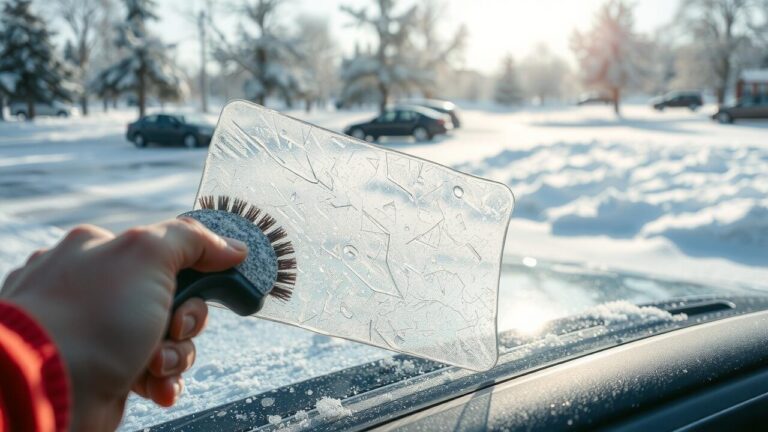
Proper cold weather auto glass maintenance is crucial for enhancing visibility and ensuring safety during winter driving. The combination of cooler temperatures and high humidity often leads to the formation of ice on windshields. This ice can obstruct a driver’s view and reduce the effectiveness of windshield wipers. Utilizing an ice scraper or investing in a good set of ice scrapers can facilitate the removal of ice, making your morning commute safer. Regular checks of the windshield wiper fluid are essential, as the right formula can help prevent freezing and maintain clear visibility through the winter months.
Neglecting to maintain auto glass in cold weather can lead to more severe issues such as thermal stress. The dramatic temperature changes from the heat generated by the vehicle’s air conditioning to the outside cold can create cracks. Keeping an eye out for any signs of damage on the windshields and ensuring that they are free from scratches is part of preventive maintenance that can save drivers from costly repairs. Protecting your auto glass from UV rays using a UV lamp when parked outside can further prolong its lifespan, making winter driving less stressful.
- Regularly inspect your windshield for any chips or cracks that could worsen in cold weather.
- Keep your car’s windshield wipers in good condition and replace them if they show signs of wear.
- Use a higher-quality windshield washer fluid that is specifically designed for cold temperatures.
- Ensure all defrosting and heating systems in your vehicle are working properly.
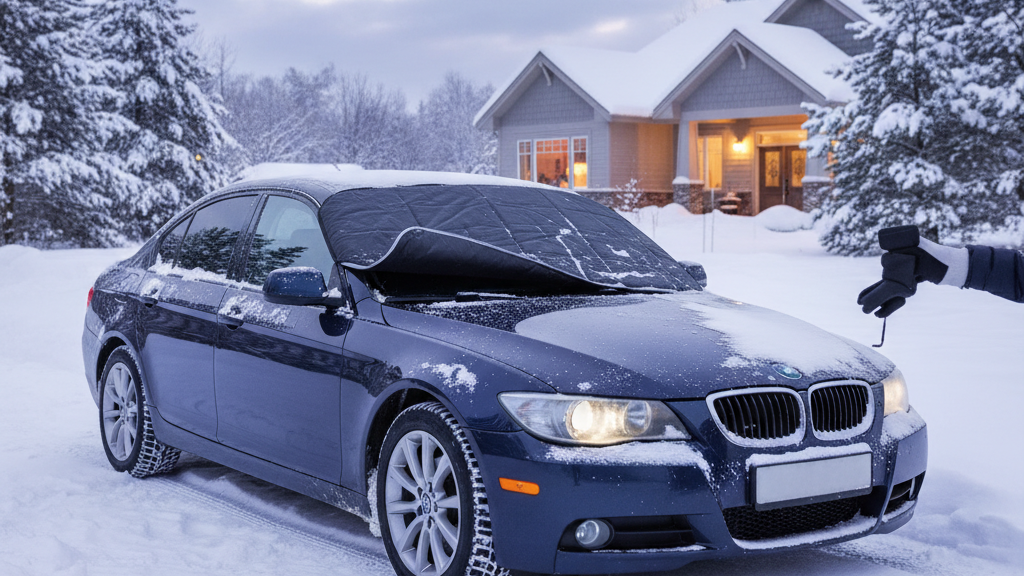
- Park your vehicle in a garage or use a windshield cover to prevent ice buildup.
- Clean your auto glass regularly to remove dirt and debris that can impair visibility.
- Consider using a de-icing spray to help quickly remove ice from your windshield when necessary.
Common Issues Faced by Auto Glass in Cold Weather
Cold weather can significantly affect the performance of auto glass. Frost and ice build-up can obscure visibility, making it difficult to drive safely. Moisture is often trapped between the glass and coatings, which can impair clarity during rain or snow. Wiper blades may struggle to clear away precipitation effectively if they are not designed for low temperatures. Regular cold weather auto glass maintenance is essential to ensure that your vehicle remains safe and functional.
Drivers frequently encounter issues with washer fluid freezing in cold temperatures. This can lead to a lack of visibility, especially during snowstorms or rain when the glass requires frequent cleaning. Coatings intended to repel water may become less effective if not regularly maintained. Checking and replacing wipers, along with ensuring that washer fluid is suitable for low temperatures, helps mitigate these problems. Taking proactive steps in cold weather auto glass maintenance can enhance safety and comfort on the road.
Preparing Your Vehicle for Winter
Preparing your car for winter involves critical steps in cold weather auto glass maintenance to ensure optimum safety and visibility. Freezing temperatures can cause the glass to contract, leading to stress and potential damage. Inspecting your windshield and windows is essential; look for any chips or cracks that could worsen during the season. Choosing the right wiper blades is equally important, as high-quality options provide better clearance of ice and snow. Regularly clean your auto glass of any dirt, ice, or snow to maintain visibility and enhance auto glass safety. Staying proactive with auto glass repairs and installations can save time and cost in the long run, ensuring your vehicle is ready to face the winter elements.
Inspecting Your Windshield and Windows
Regular inspection of your windshield and windows is essential for effective cold weather auto glass maintenance. Many auto glass concerns can be identified through a simple visual check. Look for cracks, chips, or other signs of damage that could compromise the cold weather durability of your automotive glass. Addressing issues early can prevent the need for costly auto glass replacement later. If your windshield has any visible problems, consider seeking auto glass services that specialize in in-shop auto glass repair solutions tailored for winter conditions.
Winter-formulated windshield treatments can also enhance the performance and longevity of your glass. Assessing the fit and functionality of your existing wiper blades during inspections is equally important. Poor-quality blades can contribute to auto glass damage when clearing snow and ice. Opting for new auto glass components like wipers that are designed for cold weather ensures that your vehicle’s glass needs are met effectively. Prioritizing these inspections not only promotes safety but also supports the overall efficacy of your cold weather auto glass maintenance routine.
Choosing the Right Windshield Wiper Blades
Selecting the appropriate windshield wiper blades is crucial for effective cold weather auto glass maintenance. High-quality wipers designed for winter conditions significantly enhance visibility during snow and rain. Choosing blades that offer superior glass stability and are resistant to cold-weather problems minimizes the risk of malfunction. Auto glass care during winter requires wipers that can withstand harsh conditions and provide consistent performance. Many auto glass specialists recommend wiper blades manufactured for extreme cold weather to ensure comprehensive winter auto care.
After selecting the right blades, routine inspections should become a part of your winter windshield care routine. Trained auto glass professionals often suggest replacing wiper blades every six months or as soon as they show wear. Proper installation is vital to ensure that wipers make full contact with the windshield, preventing streaking and enhancing visibility. For those who prefer DIY solutions, numerous auto glass offers and products can be found at local retailers. Taking proactive steps in cold weather auto glass maintenance can significantly improve driving safety throughout the winter months.
Techniques for Keeping Auto Glass Clear
Keeping auto glass clear during the winter months requires diligent cold weather auto glass maintenance. Proper techniques can significantly improve visibility and safety. Utilizing anti-fogging solutions helps reduce condensation caused by winter moisture on modern vehicle glass, while effective snow and ice removal methods prevent damage. Auto glass technicians often recommend performing these tasks in a temperature-controlled shop to avoid complications arising from cold temps. Regular glass care is essential, especially during winter cold snaps, as sudden temperature fluctuations can cause glass to cold set. Investing in mobile auto glass services enables quick repairs, ensuring that your vehicle maintains optimal performance in any climate.
Utilizing Anti-Fogging Solutions
Fogged-up glass surfaces can significantly impair visibility during winter months, making it essential to incorporate effective anti-fogging solutions into your cold weather auto glass maintenance routine. Products designed for this purpose can enhance your winter car care by preventing condensation on the interior of your glass. This is particularly important in cold outdoor environments where temperature fluctuations can create fog on the glass surface. Proper application of these solutions, especially after warm-up procedures, can help maintain glass integrity and improve visibility.
Choosing the right anti-fogging solution contributes to the overall effectiveness of your winter wiper blades and impact-resistant glass. Regularly treating your glass surfaces, ideally every week, can ensure optimal performance throughout the season. For any persistent fogging or damage beneath the glass, seeking professional help, like in-shop windshield replacement, may be necessary to keep your vehicle safe and maintain its defender auto glass quality during harsh winter weather conditions.
- Regularly clean your glass surfaces before applying any anti-fogging solution for the best results.
- Choose products specifically designed for automotive use to ensure compatibility and effectiveness.
- Apply the anti-fogging solution according to the manufacturer’s instructions for optimal performance.
- Consider using a microfiber cloth for application to avoid scratches on the glass surface.
- Store your anti-fogging products in a cool, dry place to preserve their effectiveness.
- Reapply the solution as needed, especially after heavy rain or snow exposure.
- Regularly inspect your windshield and windows for any signs of damage that might require professional attention.
Proper Snow and Ice Removal Methods
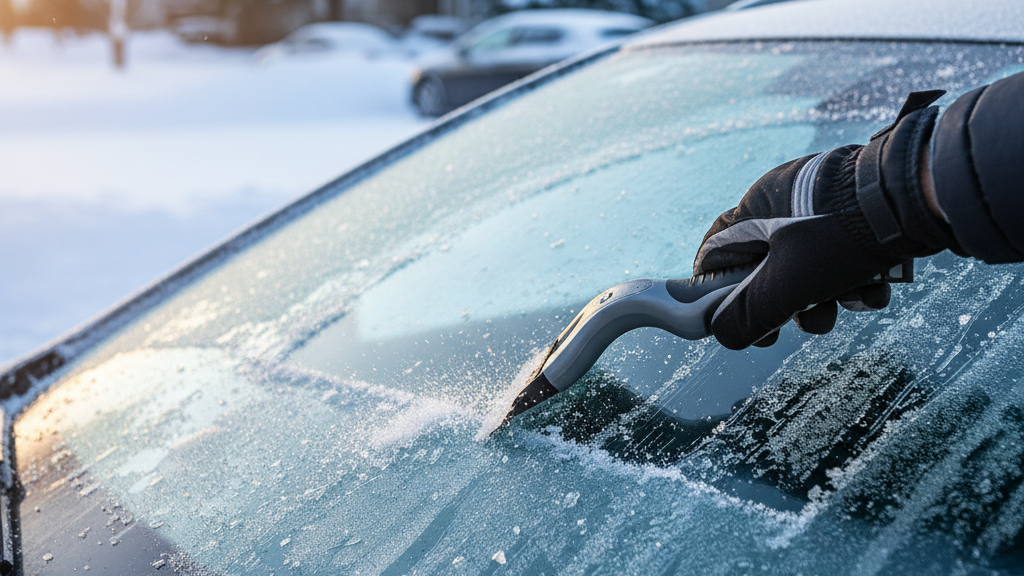
Snow and ice can significantly impact cold weather auto glass maintenance. Clearing your windshield with winter-specific wiper blades is essential for optimal visibility. Using professional-grade glass cleaners can help maintain the glass structure while avoiding any weather-related damage. During the cold months, it’s vital to remove snow and ice carefully to prevent the glass from contracting and risking cracks or chips. A warm environment aids in effective removal, so consider letting your car cooler warm up briefly before scraping away stubborn frost.
Employing the right techniques for snow and ice removal ensures winter driving safety. Always use a plastic scraper to avoid scratching new glass, and avoid hot water, which may cause thermal shock. Instead, scrape the glass well and use a winter wiper for improved performance during precipitation. Keeping your car in a garage or heated space can help maintain a warmer installation temperature for the glass. Protecting your auto glass during the extreme cold will prolong its lifespan and ensure effective visibility throughout the chilly season.
Repairing Damage Before Winter
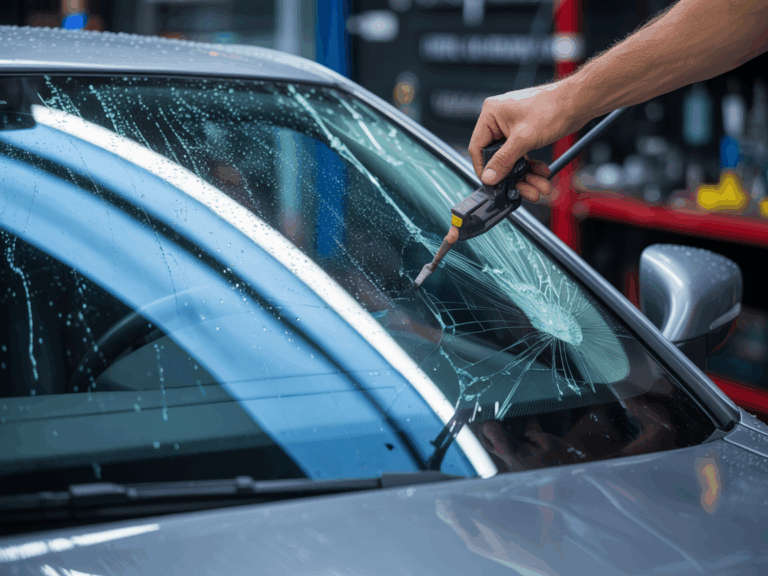
Cold weather auto glass maintenance becomes crucial as winter sets in. The risk of moisture issues can escalate, especially with freezing temperatures causing existing damage to worsen. Regularly inspecting your windshield and windows for chips or cracks is essential, as even minor blemishes can lead to significant problems as the glass ages. Opting for professional windshield repair ensures that your vehicle can withstand different weather conditions, while a quality windshield replacement may be necessary for extensive damage. Utilizing a windshield cover can help protect against frost, making proper windshield care easier. For those who prefer DIY solutions, ensuring repairs are done in a climate-controlled facility will enhance the longevity of the repair. Arrow auto glass experts recommend addressing any damage before winter arrives to avoid complications later on.
Recognizing Signs of Auto Glass Damage
Cold weather auto glass maintenance begins with recognizing early signs of damage. Windshields are particularly vulnerable due to temperature changes that can cause existing cracks to expand. It is essential to check for any windshield crack that may worsen due to icy buildup or the impact of winter elements. A small chip left untreated can quickly turn into a significant issue requiring a replacement windshield. Keeping a close eye on the glass’s condition is crucial, especially after fluctuations in temperature, which can lead to moisture-causing problems.
Windshield covers can be beneficial in protecting your glass from adverse weather while reducing the risk of damage over time. Regular inspections should include looking for any signs of distress or stress fractures. Consulting a local glass expert can provide guidance on whether you need expert windshield repair or if a simple fix will suffice. Starting your vehicle at a moderate temperature around 70°F can also help mitigate the risks associated with cold weather auto glass maintenance and ensure that winter-rated washer fluid is used to maintain clarity and visibility during icy conditions.
Professional vs. DIY Repairs
Choosing between professional repairs and DIY solutions is vital for cold weather auto glass maintenance. A sudden temperature change can exacerbate existing damage, making it crucial to address issues promptly. While a full windshield replacement may seem daunting, skilled technicians can ensure secure windshield installations. On the other hand, DIY repairs, particularly with windshield resin, can be effective for minor chips if done correctly. It is essential to verify windshield wipers and other related components to minimize the risk of further damage in freezing conditions.
Using the right tools is critical for the success of DIY repairs. A plastic ice scraper and soft-bristled snow brush are necessary for snow buildup removal, preventing harm to the glass surface. However, sudden temperature shifts can complicate the repair process, leading to potential pitfalls if proper precautions aren’t taken. When considering the effectiveness of repairs, weighing the benefits of professional expertise against self-service capabilities is crucial. This ensures the longevity of the windshield and optimal safety during hot weather and cold spells.
Best Practices for Winter Auto Glass Care
Proper cold weather auto glass maintenance is essential for ensuring visibility and safety during the winter months. Regularly inspect your windshield seal for any signs of wear, as a compromised seal can lead to ice buildup or water leaks. Use temperature-rated materials for windshield replacements to withstand abrupt temperature changes. On a winter morning, covering your windshield with a car cover can prevent ice from forming and make removal easier. For light snow, a soft brush can effectively clear the surface without scratching. Timely repairs by a windshield repair specialist are crucial, especially when faced with extreme temperature changes that could exacerbate existing damage. Regular maintenance during the winter can help prolong the life of your auto glass and keep driving conditions safe.
| Best Practice | Description | Benefits |
|---|---|---|
| Inspect Windshield Seal | Check for signs of wear or damage to ensure proper sealing. | Prevents ice buildup and water leaks, enhancing visibility. |
| Use Temperature-Rated Materials | Opt for materials designed to withstand cold temperatures. | Reduces the risk of glass shattering due to temperature changes. |
| Cover Your Windshield | Utilize a car cover or windshield cover during cold nights. | Makes ice removal easier and protects the glass from frost. |
| Use a Soft Brush | Clear light snow with a soft brush instead of a scraper. | Prevents scratches on the glass surface. |
| Timely Repairs | Address cracks and chips promptly by consulting a specialist. | Prevents further damage and maintains glass integrity. |
Regular Cleaning and Maintenance Tips
Cold weather auto glass maintenance requires regular cleaning to ensure optimal visibility. During winter months, windshield integrity can be threatened by icy conditions and rapid temperature changes, which may lead to fog buildup and moisture-causing damage. Regularly inspecting and cleaning the windshield makes it easier to spot minor issues before they escalate, potentially saving you the hassle of a costly windshield repair quote or mobile windshield replacement later on.
Temperature transitions between freezing and thawing can cause significant stress to auto glass. High humidity and heat damage can lead to unexpected chips or cracks forming. Keeping your windshield clear of ice and snow not only improves visibility but also protects against further damage. Regular maintenance routines such as proper washing techniques and timely windshield installation ensure your vehicle remains safe and functional throughout the winter season.
Conclusion
Cold weather auto glass maintenance is essential for ensuring safety and visibility during the winter months. Drivers often encounter persistent fogging that can obstruct their view, making it vital to know how to properly care for auto glass in colder conditions. Through diligent inspection, choosing the right tools, and utilizing effective cleaning solutions, motorists can mitigate the risks associated with ice and snow buildup. Understanding the various techniques for maintaining clear visibility will significantly reduce the chances of accidents and enhance overall driving comfort in harsh weather. Prioritizing these practices will lead to safer journeys throughout the season.
FAQS
How can I ensure my auto glass installation is effective during cold weather conditions and avoid issues caused by sudden temperature changes?
To ensure a successful auto glass installation during cold weather conditions, it’s essential to perform the installation in a climate-controlled shop. This way, the expert auto glass technicians can manage freezing temperatures that cause the glass to contract. It’s also crucial to prepare for temperature differences, starting the installation at a moderate temperature around 70°F to minimize the risk of weather-related damage year-round. Additionally, consider using high-quality auto glass and employ cold-weather treatments to protect against issues like windshield cracks worsening. Regularly check the glass surface weekly and clean the windshield to maintain visibility and prevent ice or snow buildup that could impact the installation process. For mobile windshield replacements, ensure that the service provider is experienced in cold weather auto glass needs.
What steps should I take for winter auto glass maintenance when it’s freezing to prevent issues like windshield cracks from sudden temperature changes?
To maintain your winter auto glass effectively, ensure that you park your vehicle in a garage or a sheltered area whenever possible, as this protects the glass from extreme temperatures. Using your air conditioner can also help keep the windshield clean and clear of fog. When working with automotive glass, remember that cold weather causes the glass to contract, while high temperatures can lead to expansion. If you notice any windshield cracks, it’s essential to start at a moderate temperature around 70°F for repairs, as cold sets can exacerbate the problem. For professional auto glass service, always contact auto glass specialists to ensure safety and quality repairs.
What precautions should I take when parking my vehicle in freezing temperatures to prevent issues with my auto glass due to sudden temperature changes?
When parking your vehicle in freezing temperatures, it’s important to consider that automotive glass incorporates materials that can be sensitive to sudden temperature changes. Make sure to park in a location that minimizes exposure to extreme cold, as the auto glass contracts when it’s freezing. This can worsen any existing issues and lead to a windshield crack if the right temperature isn’t maintained. In warmer weather, the glass expands, but when the weather doesn’t cooperate, you may experience problems. Regularly check for any signs of damage and ensure that any windshield repair location is prepared for cold weather challenges.
What can I do to prevent my auto glass from cracking during cold weather when freezing temperatures cause the glass to contract?
To prevent windshield cracks from getting worse when it’s freezing, ensure that your vehicle is parked in a sheltered area to reduce exposure to outdoor elements. When the weather doesn’t warm up much during the day, allowing your car to warm gradually can also help to minimize stress on the glass beneath.
How does cold weather affect windshield integrity compared to warm weather, especially when freezing temperatures cause the glass to contract?
Cold weather can significantly impact windshield integrity. When it’s freezing, the rapid contraction of auto glass can lead to stress and eventual damage, making the windshield crack worse. Conversely, warm weather does not exert the same pressure on the glass. Therefore, it’s crucial to monitor temperature fluctuations, as drastic shifts can exacerbate existing weaknesses in the auto glass.
How can I protect my vehicle’s auto glass from issues when it’s freezing, especially when cold weather conditions lead to concerns about integrity?
To protect your vehicle’s auto glass during cold weather, ensure it’s properly installed and maintain it regularly. Avoid sudden temperature changes that can occur when you transition from a cold environment to a heated interior. Remember, when freezing temperatures cause the glass to contract, proper care can prevent issues. Regular checks and maintenance ensure your auto glass remains in good condition, so it’s less vulnerable when the weather doesn’t cooperate and it’s freezing outside.
What should I do if my auto glass gets impacted when it’s freezing outside, considering how cold weather can affect it?
When it’s freezing, take immediate action if you notice any chips or cracks in your auto glass, as cold weather can exacerbate these issues. If the damage is minor, you can often seal it with a cold weather repair kit designed to withstand the cold. However, if the damage is significant, or you notice any spread in the crack due to the cold, it’s crucial to get a professional assessment, as waiting may cause the integrity of the glass to decrease further. Remember, cold weather doesn’t just affect visibility; it can also compromise your vehicle’s safety, so addressing issues promptly is key.
How does temperature affect the integrity of my auto glass when it’s freezing outside?
When it’s freezing, the cold weather doesn’t allow the auto glass to expand and contract normally, which can lead to significant issues. If your vehicle is exposed to drastic temperature fluctuations, the glass may be more likely to crack due to the stresses incurred. Therefore, it’s essential to take care of your auto glass regularly to prevent problems during cold weather.
What should I consider regarding my vehicle when it’s freezing outside and how cold weather impacts my auto glass?
When it’s freezing, it’s important to be mindful of how cold weather affects the integrity of your auto glass. Cold weather doesn’t just create issues with visibility due to ice and frost; it can also lead to glass contraction, which might make it more susceptible to cracks. To ensure your vehicle’s auto glass remains intact, take precautions such as warming up your car gradually and avoiding sudden changes in temperature.
How can I keep my auto glass in good condition when the weather doesn’t cooperate and it’s freezing outside?
To maintain your auto glass’s integrity when the weather doesn’t allow for it, especially when it’s freezing, consider using a windshield cover to protect against frost and ice. Regular inspections and prompt repairs of any chips or cracks are also important to prevent further damage during cold conditions.